North Carolina
Canadian Solar / EP Cube battery installers in North Carolina.
Request installer matches in North Carolina, subject to availability — Canadian Solar / EP Cube-experienced prioritized
Get Canadian Solar / EP Cube quotes in North Carolina
Enter your ZIP code to estimate savings and request quotes.
No contact details needed to see your estimate. Request quotes only when you’re ready.
- ✓ EP Cube combines a hybrid inverter with modular batteries
- ✓ Choose a supported stack size to suit your storage needs
- ✓ Check state and utility rebates; eligibility varies
- ✓ Shortlist Solar-vetted installers, subject to availability
- ✓ 100% free, no obligation
- ✓ Up to 3 vetted installers — and no one else sees your details
- ✓ Vetted installers — typically 2+ years in business
Not sure a battery stacks up yet? Free savings estimate first
Canadian Solar / EP Cube at a glance
- EP Cube residential energy storage
- Confirm that the proposal names the US EP Cube product and battery configuration.
- Identify the equipment required for backup and how it connects to existing solar.
Understanding the Canadian Solar / EP Cube design
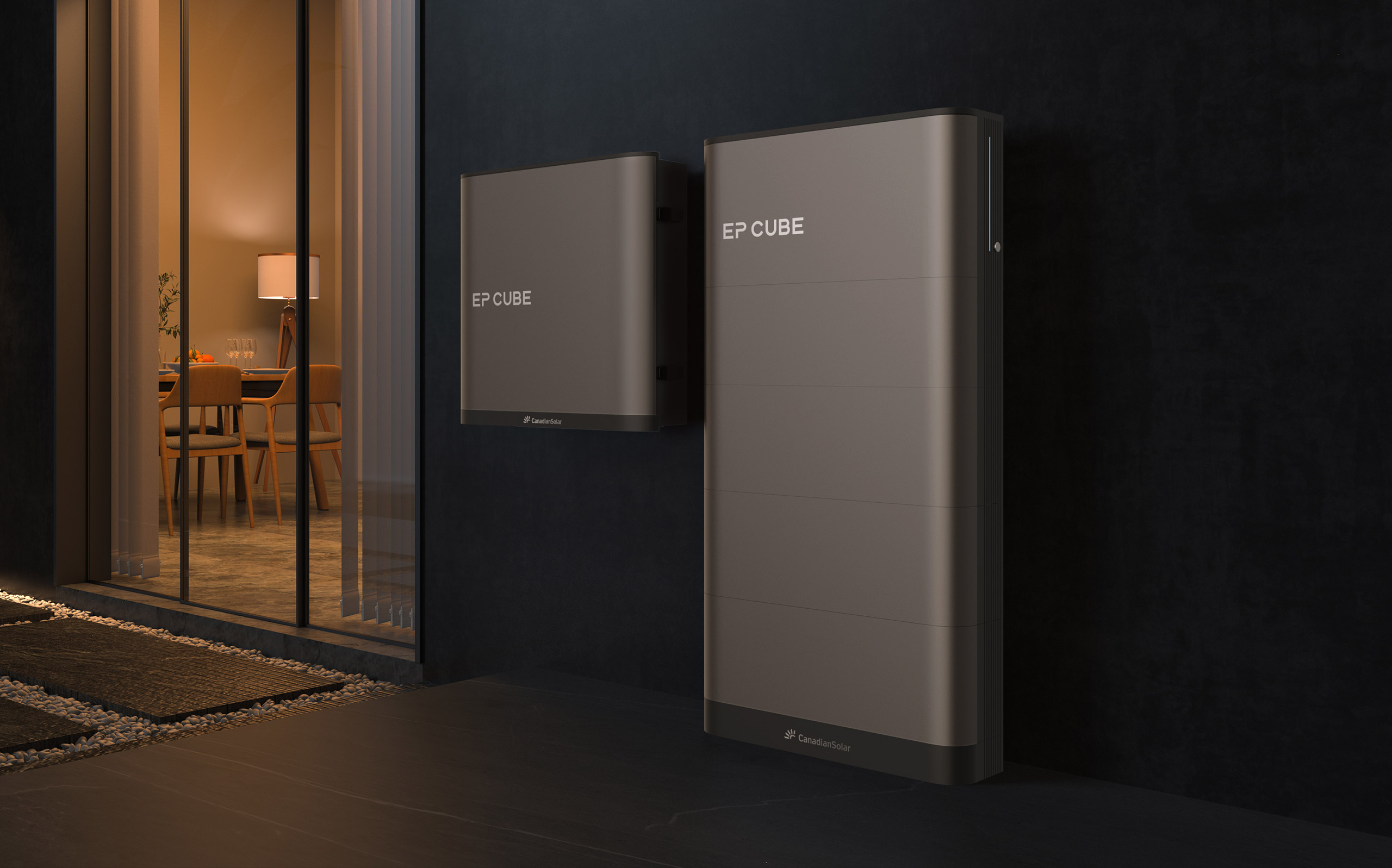
EP Cube is a residential storage system associated with Canadian Solar. Keep the storage project distinct from a Canadian Solar panel installation: familiarity with the panel brand does not identify the battery equipment or establish a crew’s storage experience. The EP Cube documentation describes a hybrid inverter, battery modules and a Smart Gateway within the installation. Ask the designer to name the equipment being supplied and explain the role of each part in your home’s solar and backup arrangement.
A modular product illustration can make an EP Cube proposal look simpler than the underlying design decision. The installer still needs to specify the battery configuration, solar connection and electrical integration. Ask what the quoted arrangement can do in ordinary operation and during a utility outage, then confirm which accessories and installation work deliver those functions. Keep optional expansion separate from the system you are buying initially. A family’s possible configurations are not a description of the capacity, power or scope included in every residential quote.
Specify your Canadian Solar / EP Cube equipment
Request an EP Cube component schedule that identifies the US product generation, hybrid inverter, battery arrangement and gateway. Have the contractor include mounting, communications and the electrical work needed at the property. If the quotation names only Canadian Solar, ask for it to distinguish the panels from the storage system. The battery and solar equipment may share a commercial relationship while still requiring different documentation, commissioning and service contacts. Clear equipment names let you compare the proposed installation with another contractor’s actual scope.
For a home that already has solar, ask how the EP Cube design treats the existing inverter and array. The installer should explain which equipment remains, how it is connected and what behavior is supported during backup operation. If the proposal changes the original solar connection, have that work itemized. A product described as suitable for retrofit still needs a model-level assessment of the equipment at your address. Give the designer the original solar paperwork and label photographs so the proposal does not rely on a guessed configuration.
Put Canadian Solar / EP Cube to the test on your own numbers
Reading about it only goes so far — real quotes are where a Canadian Solar / EP Cube decision gets made. Request quotes in North Carolina, subject to participating-installer availability. Free for homeowners.
Plan Canadian Solar / EP Cube operation around your home
Discuss the EP Cube system using an ordinary day and an outage as separate examples. On an ordinary day, ask what charges the battery and how the operating choices relate to your electricity plan. During an outage, ask which circuits receive power and what limits apply to simultaneous appliance use. A larger module count can change stored energy without answering every question about household output. The contractor should connect the selected configuration to your stated priorities rather than substitute a generic whole-house illustration for an operating plan.
The EP Cube installation documentation includes commissioning and system connections, but the homeowner needs a clear explanation of the finished arrangement. Ask which monitoring account and controls you receive, what reserve choices are available and which settings require the installation company. A general assessment of potential savings is not a simulation of that particular EP Cube system. Use your actual usage and tariff when comparing an installer’s projection, and ask how any retained solar equipment or selected backup circuit arrangement affects the assumptions behind it.
When to consider Canadian Solar / EP Cube
EP Cube can be considered when you want the storage modules, hybrid inverter and controls specified as a named home-energy system. Ask the contractor what that approach means for your particular installation rather than assuming that an integrated product eliminates electrical work. Compare the equipment schedule and backup behavior with another complete proposal. If you are also buying solar, separate the panel decision from the storage decision so that a preference for Canadian Solar panels does not silently determine the battery scope.
If your inquiry is only about solar panels, make that clear before treating an EP Cube page as the relevant installation request. If you already own panels and want storage, state what you hope to retain and require the contractor to explain the supported connection. If you want to expand later, ask which product and electrical conditions must remain true. A modular appearance is not a promise that any future battery generation can be added to the initial system without checking compatibility, space or local approvals.
Canadian Solar / EP Cube in North Carolina
Hurricane season is the outage most homeowners here plan around — multi-day losses of grid power after a storm, not a flicker. For Canadian Solar / EP Cube, connect the state context to the storage system itself. Ask how the hybrid inverter, gateway and selected modules fit your property’s utility process and backup priorities; a local panel installation history does not establish the same storage arrangement.
What North Carolina utilities credit for exported solar is set utility by utility and rule by rule, so ask each installer to show the export credit on your own tariff: a stored kilowatt-hour is worth what you avoid buying, not what exporting earns, and that gap is the number the battery lives on. For the Canadian Solar / EP Cube proposal, provide the name of your electricity plan and check the delivery utility for your address. A state page cannot identify every household's retail plan or establish the value of a particular storage configuration. Ask the designer to show the assumptions that apply to your own meter.
No state battery incentive is recorded here for North Carolina. Before accepting a Canadian Solar / EP Cube installation contract, ask the responsible company to identify the current utility process, permit authority and inspection requirements for your property. Product documentation does not replace those site checks, and a published city in this directory is not proof that a participating installation crew currently covers it.
Use the Canadian Solar / EP Cube city links below to review the existing local information, then enter your real ZIP in the assessment. A city boundary does not identify a delivery utility for every street, and an address can require checks that the state overview cannot perform. Tell the installer about access, existing electrical equipment and any limits on the proposed mounting location. Keep those site details with the Canadian Solar / EP Cube design so the final proposal reflects your property rather than an assumed standard installation.
Put Canadian Solar / EP Cube to the test on your own numbers
Reading about it only goes so far — real quotes are where a Canadian Solar / EP Cube decision gets made. Request quotes in North Carolina, subject to participating-installer availability. Free for homeowners.
Choosing and working with a Canadian Solar / EP Cube installer
Ask a contractor about EP Cube installation experience where they have it, including the US generation in the quote. A Canadian Solar panel portfolio does not answer every question about storage commissioning and gateway integration. Shortlist carries your EP Cube interest into the existing matching process, subject to participating-installer eligibility at the address. There may be fewer than three or no matches. Confirm that a responding company can supply and support the actual storage configuration before relying on its proposed equipment list or installation schedule.
At completion, retain the EP Cube component schedule, electrical diagram, monitoring access and commissioning record. Ask the installer to demonstrate the backed-up circuits and explain any functions excluded from your agreement. Keep the storage documentation distinct from the panel paperwork, even when both are supplied in one contract. Identify the company responsible for the first service call and how it coordinates product support. If a later change adds modules or alters the solar connection, request an updated design and handover rather than relying solely on the original installation record.
Why the installer matters more than the battery
The install decides the outcome more than the hardware does.
That is the part a brand cannot fix for you. Every installer we match you with in North Carolina is vetted — typically 2+ years in business, with a track record of decent reviews. Matches depend on current participating installers for your address and brand; there may be fewer than three or none.
Battery incentives in North Carolina
Residential Clean Energy Credit (IRC §25D) (federal) — The 30% federal tax credit for home solar and battery storage no longer applies to systems placed in service from January 1, 2026.
North Carolina — no state battery program has been verified on this site yet. Ask each installer what your utility offers and to show the program page.
Ready for Canadian Solar / EP Cube quotes in North Carolina?
Request quotes by ZIP code, subject to participating-installer availability. Any state or utility program you qualify for is applied at quote. Free, no obligation, maximum 3 installers ever.
Canadian Solar / EP Cube installers in Charlotte
- Canadian Solar / EP Cube battery installers in Charlotte — serving Charlotte and surrounds
More North Carolina cities
- Canadian Solar / EP Cube battery installation Raleigh — serving Raleigh and surrounds
- Canadian Solar / EP Cube battery installation Greensboro — serving Greensboro and surrounds
- Canadian Solar / EP Cube battery installers in Durham — serving Durham and surrounds
- Canadian Solar / EP Cube installers Winston-Salem — serving Winston-Salem and surrounds
- Canadian Solar / EP Cube battery installers in Fayetteville — serving Fayetteville and surrounds
- Canadian Solar / EP Cube installers Cary — serving Cary and surrounds
- Canadian Solar / EP Cube battery installers in Wilmington — serving Wilmington and surrounds
- Canadian Solar / EP Cube battery installers in High Point — serving High Point and surrounds
- Canadian Solar / EP Cube battery installers in Concord — serving Concord and surrounds
Page updated September 9, 2026