California
HomeGrid battery installers in California.
Request installer matches in California, subject to availability — HomeGrid-experienced prioritized
Get HomeGrid quotes in California
Enter your ZIP code to estimate savings and request quotes.
No contact details needed to see your estimate. Request quotes only when you’re ready.
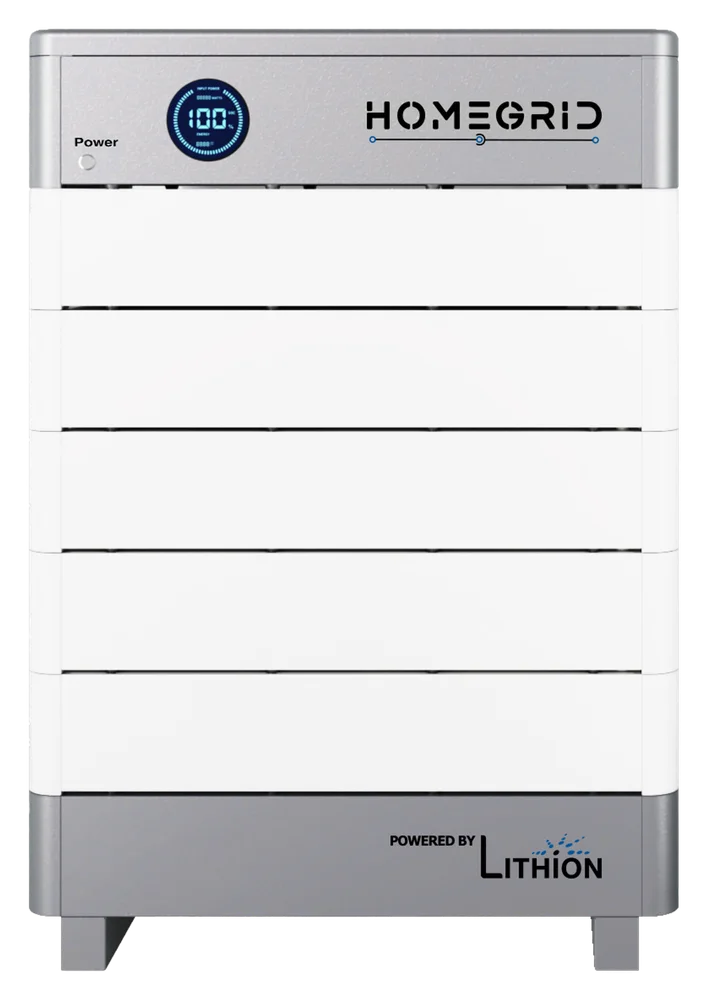
- ✓ HomeGrid Stack’d builds capacity from stackable battery modules
- ✓ Heated module options are available for suitable installations
- ✓ Check state and utility rebates; eligibility varies
- ✓ Shortlist Solar-vetted installers, subject to availability
- ✓ 100% free, no obligation
- ✓ Up to 3 vetted installers — and no one else sees your details
- ✓ Vetted installers — typically 2+ years in business
Not sure a battery stacks up yet? Free savings estimate first
HomeGrid at a glance
- HomeGrid modular battery systems
- List the HomeGrid battery configuration and the paired inverter.
- Check physical access and the planned position of the battery assembly.
Understanding the HomeGrid design
HomeGrid is the storage component within a wider residential energy system. Its battery configuration needs to be considered alongside the inverter that manages charging and supplies household loads. Two proposals can use HomeGrid batteries while differing substantially in their solar connection, backup output and controls. Start by separating those components on the equipment schedule. A modular battery arrangement describes a way of assembling storage; it does not establish that every inverter pairing or future module addition is suitable for the installation at your property.
The HomeGrid catalogue distinguishes product families including Stack’d and Compact. Ask the contractor which family is proposed and why it fits the physical and electrical design. Do not use a photograph of one assembly as evidence for the dimensions, mounting requirements or capabilities of another. If a quotation allows equivalent substitutions, require the replacement battery and its inverter relationship to be documented before delivery. The useful comparison is the completed storage arrangement, including the equipment that controls it and the company that supports it.
Specify your HomeGrid equipment
Have the HomeGrid proposal identify the battery family, module arrangement, inverter, communications connection and required protection. Ask for usable stored energy and complete-system output as separate figures supported by the supplied documentation. More stored energy does not automatically increase the output available to a large appliance. The inverter and battery arrangement both need to be considered when discussing household loads. If the project uses several assemblies, request a drawing that shows how they are connected and what equipment coordinates their operation.
The physical installation deserves an explicit site check. Ask how the chosen HomeGrid assembly will reach its final location, what access is needed for servicing and which mounting or floor requirements apply to that product. Keep those questions tied to the actual model instructions instead of assuming that every modular battery fits the same space. For an existing solar system, document how its inverter relates to the new storage equipment. The quote should explain any replacement, additional wiring or service-panel work needed to complete the design.
Put HomeGrid to the test on your own numbers
Reading about it only goes so far — real quotes are where a HomeGrid decision gets made. Request quotes in California, subject to participating-installer availability. Free for homeowners.
Plan HomeGrid operation around your home
Describe what you expect the HomeGrid storage to do before comparing module quantities. Evening solar use, essential-load backup and an off-grid energy plan involve different assumptions. Ask the designer to explain the usable storage, expected charging sources and output limits of the selected inverter pairing. An outage conversation should include the household loads and starting reserve, not just a total battery figure. A general assessment can help establish priorities but cannot determine the runtime or electrical suitability of a particular HomeGrid assembly.
Ask how the battery and inverter communicate and which monitoring information you will receive from each. If an inverter display reports battery state, find out how the installer verifies that the configuration is correct. Clarify the controls available to the homeowner and the settings that should remain with the installation team. Keep the original operating record so later changes can be reviewed against the commissioned arrangement. When a fault concerns charging or communication, a clear service process matters more than assuming one supplier automatically accepts responsibility for every component.
When to consider HomeGrid
HomeGrid may suit a comparison in which battery configuration and inverter choice are being designed together. Ask why the installer selected that HomeGrid family and how it addresses your planned loads and mounting location. Compare a modular proposal with another complete system on the same basis: usable energy, supported output, backup circuits, installation work and service. If you value future expansion, ask what checks would be needed at the time of an addition. A modular enclosure is not a promise that any later battery can be attached without review.
An equipment purchase and an installed HomeGrid project are different commitments. If you plan to buy batteries yourself, establish whether the contractor accepts that supply arrangement and who handles delivery damage, missing parts and product support. For a retrofit, compare the work needed to retain useful existing solar equipment. For an off-grid property, describe the actual load and charging plan before selecting a battery quantity. The same storage family can appear in different designs, so another household’s installation is context rather than a sizing answer.
HomeGrid in California
Wildfire-season Public Safety Power Shutoffs and summer heat-wave grid strain are the outages homeowners here plan around. For HomeGrid, use local outage and tariff information to discuss the battery quantity with the selected inverter. Storage modules alone do not define the household backup output; the proposed assembly and the supported circuit plan need to answer that question together.
What California utilities credit for exported solar is set utility by utility and rule by rule, so ask each installer to show the export credit on your own tariff: a stored kilowatt-hour is worth what you avoid buying, not what exporting earns, and that gap is the number the battery lives on. For the HomeGrid proposal, provide the name of your electricity plan and check the delivery utility for your address. A state page cannot identify every household's retail plan or establish the value of a particular storage configuration. Ask the designer to show the assumptions that apply to your own meter.
No state battery incentive is recorded here for California. Before accepting a HomeGrid installation contract, ask the responsible company to identify the current utility process, permit authority and inspection requirements for your property. Product documentation does not replace those site checks, and a published city in this directory is not proof that a participating installation crew currently covers it.
Use the HomeGrid city links below to review the existing local information, then enter your real ZIP in the assessment. A city boundary does not identify a delivery utility for every street, and an address can require checks that the state overview cannot perform. Tell the installer about access, existing electrical equipment and any limits on the proposed mounting location. Keep those site details with the HomeGrid design so the final proposal reflects your property rather than an assumed standard installation.
Put HomeGrid to the test on your own numbers
Reading about it only goes so far — real quotes are where a HomeGrid decision gets made. Request quotes in California, subject to participating-installer availability. Free for homeowners.
Choosing and working with a HomeGrid installer
Ask for relevant HomeGrid installation experience where they have it, particularly with the battery family and inverter combination in the proposal. Shortlist retains HomeGrid as the requested brand within the existing inquiry and matching process; eligibility and participating-installer coverage still apply at the address. There may be fewer than three or no matches. A battery catalogue entry does not identify a local crew or establish that a responding contractor supports your preferred inverter pairing. Discuss those details before accepting a complete-system recommendation.
At handover, retain the HomeGrid configuration, inverter model, communications arrangement and final electrical drawing. Ask the contractor to demonstrate the agreed storage and backup operation, then explain the service path for a battery alert versus an inverter alert. Keep equipment terms separate from workmanship terms and identify the first point of contact for the assembled system. Before adding modules, changing an inverter or moving the assembly, have the design reviewed against the relevant product instructions and record any revised commissioning work.
Why the installer matters more than the battery
The install decides the outcome more than the hardware does.
That is the part a brand cannot fix for you. Every installer we match you with in California is vetted — typically 2+ years in business, with a track record of decent reviews. Matches depend on current participating installers for your address and brand; there may be fewer than three or none.
Battery incentives in California
Residential Clean Energy Credit (IRC §25D) (federal) — The 30% federal tax credit for home solar and battery storage no longer applies to systems placed in service from January 1, 2026.
California — no state battery program has been verified on this site yet. Ask each installer what your utility offers and to show the program page.
Ready for HomeGrid quotes in California?
Request quotes by ZIP code, subject to participating-installer availability. Any state or utility program you qualify for is applied at quote. Free, no obligation, maximum 3 installers ever.
HomeGrid installers in Los Angeles
- HomeGrid installers Los Angeles — serving Los Angeles and surrounds
More California cities
- HomeGrid battery installation San Diego — serving San Diego and surrounds
- HomeGrid installers San Jose — serving San Jose and surrounds
- HomeGrid battery installers in San Francisco — serving San Francisco and surrounds
- HomeGrid battery installation Fresno — serving Fresno and surrounds
- HomeGrid battery installers in Sacramento — serving Sacramento and surrounds
- HomeGrid battery installers in Long Beach — serving Long Beach and surrounds
- HomeGrid battery installers in Oakland — serving Oakland and surrounds
- HomeGrid installers Bakersfield — serving Bakersfield and surrounds
- HomeGrid battery installation Anaheim — serving Anaheim and surrounds
- HomeGrid battery installation Stockton — serving Stockton and surrounds
- HomeGrid battery installers in Riverside — serving Riverside and surrounds
- HomeGrid battery installation Irvine — serving Irvine and surrounds
- HomeGrid installers Santa Ana — serving Santa Ana and surrounds
- HomeGrid battery installers in Chula Vista — serving Chula Vista and surrounds
- HomeGrid battery installers in Santa Clarita — serving Santa Clarita and surrounds
- HomeGrid battery installers in Fremont — serving Fremont and surrounds
- HomeGrid battery installation San Bernardino — serving San Bernardino and surrounds
- HomeGrid battery installers in Modesto — serving Modesto and surrounds
- HomeGrid battery installers in Fontana — serving Fontana and surrounds
- HomeGrid installers Moreno Valley — serving Moreno Valley and surrounds
- HomeGrid battery installers in Oxnard — serving Oxnard and surrounds
- HomeGrid installers Huntington Beach — serving Huntington Beach and surrounds
- HomeGrid battery installers in Glendale — serving Glendale and surrounds
- HomeGrid battery installers in Ontario — serving Ontario and surrounds
- HomeGrid battery installers in Elk Grove — serving Elk Grove and surrounds
- HomeGrid battery installation Santa Rosa — serving Santa Rosa and surrounds
- HomeGrid battery installers in Rancho Cucamonga — serving Rancho Cucamonga and surrounds
- HomeGrid battery installation Garden Grove — serving Garden Grove and surrounds
- HomeGrid battery installers in Oceanside — serving Oceanside and surrounds
- HomeGrid battery installation Lancaster — serving Lancaster and surrounds
- HomeGrid battery installers in Roseville — serving Roseville and surrounds
- HomeGrid battery installers in Palmdale — serving Palmdale and surrounds
- HomeGrid battery installers in Corona — serving Corona and surrounds
- HomeGrid battery installation Salinas — serving Salinas and surrounds
- HomeGrid battery installers in Hayward — serving Hayward and surrounds
- HomeGrid battery installers in Sunnyvale — serving Sunnyvale and surrounds
- HomeGrid installers Escondido — serving Escondido and surrounds
- HomeGrid battery installers in Pomona — serving Pomona and surrounds
- HomeGrid battery installers in Visalia — serving Visalia and surrounds
- HomeGrid battery installers in Victorville — serving Victorville and surrounds
- HomeGrid battery installation Fullerton — serving Fullerton and surrounds
- HomeGrid installers Torrance — serving Torrance and surrounds
- HomeGrid installers Orange — serving Orange and surrounds
- HomeGrid battery installers in Pasadena — serving Pasadena and surrounds
- HomeGrid battery installation Santa Clara — serving Santa Clara and surrounds
- HomeGrid installers Clovis — serving Clovis and surrounds
- HomeGrid installers Simi Valley — serving Simi Valley and surrounds
- HomeGrid battery installation Thousand Oaks — serving Thousand Oaks and surrounds
- HomeGrid battery installers in Concord — serving Concord and surrounds
- HomeGrid battery installation Vallejo — serving Vallejo and surrounds
- HomeGrid installers Fairfield — serving Fairfield and surrounds
- HomeGrid battery installers in Berkeley — serving Berkeley and surrounds
- HomeGrid installers Antioch — serving Antioch and surrounds
- HomeGrid battery installers in Menifee — serving Menifee and surrounds
- HomeGrid battery installers in Richmond — serving Richmond and surrounds
- HomeGrid installers Carlsbad — serving Carlsbad and surrounds
- HomeGrid battery installation Murrieta — serving Murrieta and surrounds
- HomeGrid installers Temecula — serving Temecula and surrounds
- HomeGrid installers Santa Maria — serving Santa Maria and surrounds
- HomeGrid battery installation San Buenaventura (Ventura) — serving San Buenaventura (Ventura) and surrounds
- HomeGrid installers Downey — serving Downey and surrounds
- HomeGrid battery installers in Costa Mesa — serving Costa Mesa and surrounds
- HomeGrid battery installers in Jurupa Valley — serving Jurupa Valley and surrounds
- HomeGrid battery installers in West Covina — serving West Covina and surrounds
- HomeGrid battery installers in Rialto — serving Rialto and surrounds
- HomeGrid battery installers in El Monte — serving El Monte and surrounds
- HomeGrid battery installation Vacaville — serving Vacaville and surrounds
- HomeGrid battery installation Burbank — serving Burbank and surrounds
- HomeGrid battery installation El Cajon — serving El Cajon and surrounds
- HomeGrid battery installers in San Mateo — serving San Mateo and surrounds
- HomeGrid battery installers in Chico — serving Chico and surrounds
- HomeGrid installers Inglewood — serving Inglewood and surrounds
- HomeGrid battery installers in Hesperia — serving Hesperia and surrounds
- HomeGrid battery installers in Daly City — serving Daly City and surrounds
- HomeGrid battery installers in Tracy — serving Tracy and surrounds
Page updated September 9, 2026