Washington
Qcells battery installers in Washington.
Request installer matches in Washington, subject to availability — Qcells-experienced prioritized
Get Qcells quotes in Washington
Enter your ZIP code to estimate savings and request quotes.
No contact details needed to see your estimate. Request quotes only when you’re ready.
- ✓ Q.HOME CORE G3 offers AC-coupled storage and app monitoring
- ✓ Expand storage with the corresponding Q.HOME HUB G3 design
- ✓ Check state and utility rebates; eligibility varies
- ✓ Shortlist Solar-vetted installers, subject to availability
- ✓ 100% free, no obligation
- ✓ Up to 3 vetted installers — and no one else sees your details
- ✓ Vetted installers — typically 2+ years in business
Not sure a battery stacks up yet? Free savings estimate first
Qcells at a glance
- Q.HOME CORE residential storage
- Identify the Q.HOME CORE generation, inverter and battery components.
- Ask which backup and control equipment is included with the system.
Understanding the Qcells design
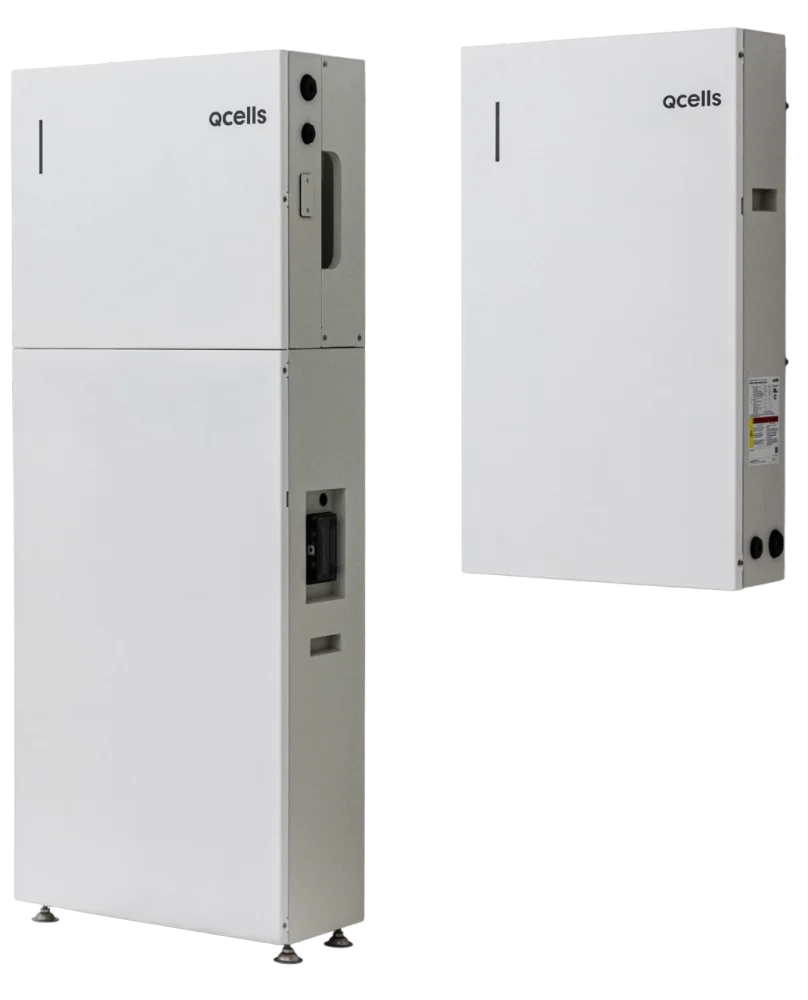
Q.HOME CORE is the storage discussion to have with a Qcells contractor. The panels on a roof and the equipment that stores their output have different jobs, even if both carry the Qcells name. Begin by identifying the proposed storage generation and its associated inverter. An installer’s experience with Qcells modules can be relevant to the solar work, but ask separately about the battery installation. A proposal should explain the complete energy path from the array through storage to the loads you intend to support.
The US Qcells material describes Q.HOME CORE configurations using named inverter, storage and hub components. Those names should appear in a written schedule rather than being compressed into a single panel-and-battery package. If you are comparing an earlier quotation with a new one, ask whether the generation or component arrangement has changed. A similar system label does not establish that the mounting equipment, controls or service procedures are interchangeable. Resolve the exact supplied configuration before using another homeowner’s installation as a model for your own.
Specify your Qcells equipment
Ask the designer to distinguish the Q.VOLT inverter, Q.SAVE storage and the proposed Q.HOME HUB arrangement where those are specified. Have each component’s role explained in everyday terms: producing or converting energy, storing it, and managing the connection to the house. The equipment list should also identify electrical protection, metering, communications and mounting work. Keep usable stored energy separate from the output available to appliances. A quoted battery quantity alone does not establish whether the complete installation can operate the loads you have listed.
For a Qcells retrofit, provide the labels from the existing panels and inverter, together with the original electrical drawing if available. Ask what is retained and what must change to install the quoted Q.HOME CORE configuration. The answer should address both ordinary grid-connected operation and the intended outage arrangement. If a contractor proposes replacing otherwise working equipment, ask which requirement makes that necessary. Compare the entire retrofit scope with alternatives, including the effect on existing monitoring and the responsibility for diagnosing retained solar equipment.
Put Qcells to the test on your own numbers
Reading about it only goes so far — real quotes are where a Qcells decision gets made. Request quotes in Washington, subject to participating-installer availability. Free for homeowners.
Plan Qcells operation around your home
Plan Q.HOME CORE around a written household objective. If you want to use afternoon solar after sunset, show the designer your evening usage pattern and electricity plan. If you want backup, list essential appliances and the larger loads you expect to leave off. Ask how the chosen configuration meets those priorities and what operating assumptions were used. A general assessment can start the discussion about storage, but it cannot validate the electrical design or establish the runtime of a particular Qcells installation at your property.
Ask for a demonstration of the storage monitoring and the controls you will actually receive. Panel production, battery state and household consumption answer different questions, so find out which information is available in the proposed arrangement. Clarify who can change reserve or operating settings and what help is available if your tariff changes. If the system reports an alert, know which information the service team needs. Record the original settings at handover so a later support call can distinguish a changed preference from an equipment problem.
When to consider Qcells
Q.HOME CORE is worth comparing when a contractor can offer a clearly specified storage installation and explain its relationship to the rest of your solar system. Ask why the selected generation and storage arrangement fit your home. An attractive panel proposal does not resolve the battery design automatically. Compare complete proposals using the same backup loads, monitoring expectations and installation scope. If the project includes future expansion, ask what would need to be checked again rather than assuming that spare physical space establishes an approved upgrade path.
Before scheduling work, have the supplier confirm the equipment it intends to deliver and the service arrangements for that generation. Ask what happens if a component is substituted or delayed. A written change process is particularly useful when a solar and storage package includes products from several suppliers. If your main goal is replacing a failed inverter, distinguish that immediate repair from an optional battery project. You should be able to see the cost and electrical implications of each scope without treating all Qcells equipment as a single interchangeable product.
Qcells in Washington
Wildfire-season Public Safety Power Shutoffs and summer heat-wave grid strain are the outages homeowners here plan around. For Q.HOME CORE, use the local conditions to examine the storage and hub arrangement in the quote. A state electricity trend cannot establish the value of a specific Qcells configuration; the selected generation, household loads and actual tariff belong in that assessment.
What Washington utilities credit for exported solar is set utility by utility and rule by rule, so ask each installer to show the export credit on your own tariff: a stored kilowatt-hour is worth what you avoid buying, not what exporting earns, and that gap is the number the battery lives on. For the Qcells proposal, provide the name of your electricity plan and check the delivery utility for your address. A state page cannot identify every household's retail plan or establish the value of a particular storage configuration. Ask the designer to show the assumptions that apply to your own meter.
No state battery incentive is recorded here for Washington. Before accepting a Qcells installation contract, ask the responsible company to identify the current utility process, permit authority and inspection requirements for your property. Product documentation does not replace those site checks, and a published city in this directory is not proof that a participating installation crew currently covers it.
Use the Qcells city links below to review the existing local information, then enter your real ZIP in the assessment. A city boundary does not identify a delivery utility for every street, and an address can require checks that the state overview cannot perform. Tell the installer about access, existing electrical equipment and any limits on the proposed mounting location. Keep those site details with the Qcells design so the final proposal reflects your property rather than an assumed standard installation.
Put Qcells to the test on your own numbers
Reading about it only goes so far — real quotes are where a Qcells decision gets made. Request quotes in Washington, subject to participating-installer availability. Free for homeowners.
Choosing and working with a Qcells installer
Ask responding contractors about Q.HOME CORE installation experience where they have it, including the storage generation specified in the proposal. Shortlist carries your Qcells preference through the existing inquiry process, with matching subject to installer eligibility and participation at the address. There may be fewer than three or no matches. A listing here does not establish that a local panel installer also supplies this battery system. Confirm who will install, commission and service the storage components before relying on a company’s broader solar experience.
Keep separate panel, inverter and storage records, along with the Q.HOME CORE configuration and homeowner monitoring access. Ask the installation company to demonstrate the agreed backup behavior and explain which circuits remain outside that arrangement. Identify the first contact for a storage issue and retain the equipment and workmanship terms supplied with the actual installation. If you later change solar equipment or add storage, ask for an updated electrical assessment. The original panel installation paperwork is not a substitute for the completed battery commissioning record.
Why the installer matters more than the battery
The install decides the outcome more than the hardware does.
That is the part a brand cannot fix for you. Every installer we match you with in Washington is vetted — typically 2+ years in business, with a track record of decent reviews. Matches depend on current participating installers for your address and brand; there may be fewer than three or none.
Battery incentives in Washington
Residential Clean Energy Credit (IRC §25D) (federal) — The 30% federal tax credit for home solar and battery storage no longer applies to systems placed in service from January 1, 2026.
Washington — no state battery program has been verified on this site yet. Ask each installer what your utility offers and to show the program page.
Ready for Qcells quotes in Washington?
Request quotes by ZIP code, subject to participating-installer availability. Any state or utility program you qualify for is applied at quote. Free, no obligation, maximum 3 installers ever.
Qcells installers in Seattle
- Qcells battery installation Seattle — serving Seattle and surrounds
More Washington cities
- Qcells installers Spokane — serving Spokane and surrounds
- Qcells installers Tacoma — serving Tacoma and surrounds
- Qcells battery installers in Vancouver — serving Vancouver and surrounds
- Qcells battery installers in Bellevue — serving Bellevue and surrounds
- Qcells battery installation Kent — serving Kent and surrounds
- Qcells battery installers in Everett — serving Everett and surrounds
- Qcells installers Spokane Valley — serving Spokane Valley and surrounds
- Qcells battery installation Renton — serving Renton and surrounds
- Qcells battery installers in Federal Way — serving Federal Way and surrounds
Page updated September 9, 2026