Alaska
Sigenergy battery installers in Alaska.
Request installer matches in Alaska, subject to availability — Sigenergy-experienced prioritized
Get Sigenergy quotes in Alaska
Enter your ZIP code to estimate savings and request quotes.
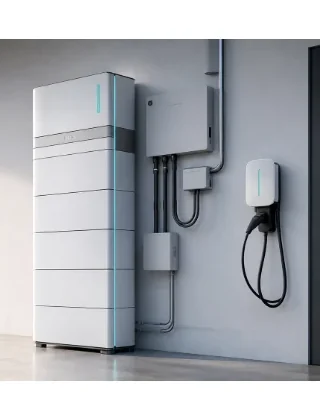
No contact details needed to see your estimate. Request quotes only when you’re ready.
- ✓ SigenStor combines modular batteries and an energy controller
- ✓ Plan solar, storage and optional EV charging together
- ✓ Check state and utility rebates; eligibility varies
- ✓ Shortlist Solar-vetted installers, subject to availability
- ✓ 100% free, no obligation
- ✓ Up to 3 vetted installers — and no one else sees your details
- ✓ Vetted installers — typically 2+ years in business
Not sure a battery stacks up yet? Free savings estimate first
Sigenergy at a glance
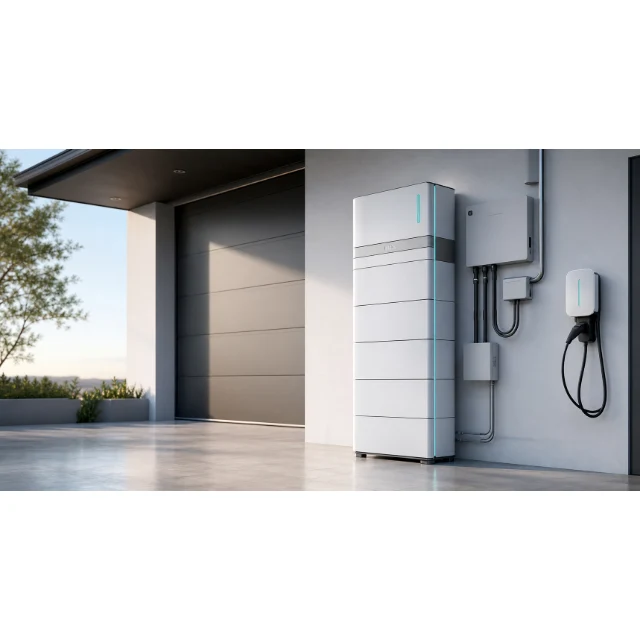
- Solar inverter, battery and EV DC charger in one stack
- Capacity grows by adding modules that plug together
- Fast DC EV charging fed straight from the battery and panels
Why the Sigenergy SigenStor is different
SigenStor is a tower, not a box. A hybrid solar inverter and energy controller sit on top, battery modules stack beneath it and plug into each other as they are stacked, and an optional EV DC charging module joins the same stack. Sigenergy calls it five-in-one — solar inverter, EV DC charger, battery power conversion, battery pack and energy management — and it is the only system in this comparison where fast EV charging is part of the battery product rather than a separate purchase.
The stack changes how sizing works. Capacity grows by adding a module rather than adding a whole second unit, so a household can start modest and grow in finer steps than the fixed-block products allow — and adding a module later is a plug-in job rather than a rewire. That is the design’s most practical advantage, and it is why the tower needs floor space and clearance from day one.
The EV charger is the standout. Fed on DC straight from the battery and the panels, it charges the car on stored solar rather than through the home’s AC circuits. For an EV household it is the reason to look here first; for a household without one, it does nothing and should not be in the quote.
SigenStor includes a hybrid Energy Controller. We have not verified a US model-specific document establishing compatibility with an existing third-party solar inverter. Do not assume either mandatory inverter replacement or compatibility: ask for the current US wiring diagram, approved equipment combination and backup configuration for your exact models.
The SigenStor system, piece by piece
The Sigen Energy Controller combines solar-inverter and energy-management functions. That description does not establish how it can connect to an existing US solar system; request the current US design documentation for the exact equipment.
The battery modules are lithium-iron-phosphate blocks that stack beneath the controller and connect automatically once stacked. How many you start with, and how many the controller can take, are the two numbers that define the system — and the second one decides whether the tower can grow the way you expect.
The EV DC charging module is optional and sits in the same stack. It draws from the battery and the panels directly, which is what makes the charging fast and solar-fed. If a car is in the plan, it belongs on the quote as a designed element; if not, leave it out.
The mySigen app is the operating surface for all of it, with cloud-side optimization behind it. Backup scope is separate: whole-home backup depends on the transfer hardware and your main panel, not on the battery alone, and the circuits that stay live should be on paper.
Put Sigenergy to the test on your own numbers
Reading about it only goes so far — real quotes are where a Sigenergy decision gets made. Request quotes in Alaska, subject to participating-installer availability. Free for homeowners.
What the SigenStor does best
Being one system for everything electrical. Solar, storage and fast EV charging in one stack with one app is the thing no other brand here does, and for a household with a car in the garage it is the whole argument.
Growing by module. Adding capacity later is a plug-in job rather than a rewire, which is the practical advantage most buyers underrate until the second child, the heat pump or the second car arrives.
Charging a car on stored sunlight. DC charging fed from the battery and the panels means the EV fills from solar you already made rather than from the grid at night — the feature the brand is known for, and the one to ask about first if you own an EV.
Arriving competitively. Sigenergy reached the top tier of US installer quotes within a year of arriving, on price per kilowatt-hour and the all-in-one stack. That is not a track record yet, and it is a signal installers took it seriously quickly.
Who a SigenStor suits — and who it does not
It suits the EV household, or the one planning to become one, that wants the car charged from the same stack as the house. It suits new solar-and-battery installs where the hybrid inverter can be designed in from the start, and buyers who want to begin with a modest battery and grow it by module.
It suits the household that wants one app and one system for everything electrical, and is comfortable that the app leans on the cloud to do it.
If retaining an existing inverter is essential, require written US model-specific compatibility evidence before selecting SigenStor. The optional EV module should be assessed separately against your charging needs.
On money, judge value per usable kilowatt-hour at the module count you would actually buy, price an AC-coupled alternative alongside it if you already have solar, and treat the EV module as its own decision. Never accept a quote that still shows a federal credit for a 2026 install.
Sigenergy in Alaska
Winter storms and ice on the lines are the outages homeowners here plan around, often in the coldest week of the year. For a SigenStor household the answer is module count and transfer hardware: enough stacked modules to carry the circuits that matter through the outage you actually get, and a backup arrangement designed for your main panel rather than assumed. In Alaska, ask each installer how many modules the stack takes, which circuits stay live, and — if you have an EV — whether the car can charge from the stack during the outage.
What Alaska utilities credit for exported solar is set utility by utility and rule by rule, so ask each installer to show the export credit on your own tariff: a stored kilowatt-hour is worth what you avoid buying, not what exporting earns, and that gap is the number the battery lives on. A SigenStor adds a second use for stored solar that the other brands here do not: the EV charger draws on DC from the same modules, so the credit gap on your bill is only half the arithmetic — the other half is what a gallon of gas costs against a kilowatt-hour you already made.
Put Sigenergy to the test on your own numbers
Reading about it only goes so far — real quotes are where a Sigenergy decision gets made. Request quotes in Alaska, subject to participating-installer availability. Free for homeowners.
The installer decides the SigenStor outcome
A SigenStor install rewards experience, and the US installer base is young. Many crews have commissioned a handful of systems rather than dozens, so the first question is not whether they can fit it but how many they have. Ask directly, and ask which of those were retrofits.
For existing solar, ask whether the proposed US design retains or replaces the inverter and request the manufacturer diagram supporting that choice. Confirm controller and gateway models, backup operation, mounting clearances and operating temperatures.
Backup scope has to be designed, not assumed: whole-home versus a backup panel depends on the transfer hardware and your main panel. A proper handover finishes the job — the app on your real rate plan, the EV charging schedule set, the backup reserve chosen by you, and the module count the stack can take written down for next time.
That is the matching problem this site exists to solve. Where participating installers are available for your address and brand, you can request quotes. There may be fewer than three or no matches. Check SigenStor experience where they have it. We sell no hardware, the service is free for homeowners, and matching a small number is deliberate: each installer has a genuine shot at the work, which is what buys you designed systems instead of templated ones.
Sigenergy in this state
Why the installer matters more than the battery
The install decides the outcome more than the hardware does.
That is the part a brand cannot fix for you. Every installer we match you with in Alaska is vetted — typically 2+ years in business, with a track record of decent reviews. Matches depend on current participating installers for your address and brand; there may be fewer than three or none.
Battery incentives in Alaska
Residential Clean Energy Credit (IRC §25D) (federal) — The 30% federal tax credit for home solar and battery storage no longer applies to systems placed in service from January 1, 2026.
Alaska — no state battery program has been verified on this site yet. Ask each installer what your utility offers and to show the program page.
Ready for Sigenergy quotes in Alaska?
Request quotes by ZIP code, subject to participating-installer availability. Any state or utility program you qualify for is applied at quote. Free, no obligation, maximum 3 installers ever.
Sigenergy installers in Anchorage
- Sigenergy installers Anchorage — serving Anchorage and surrounds
Page updated September 5, 2026