Washington
FranklinWH battery installers in Washington.
Request installer matches in Washington, subject to availability — FranklinWH-certified prioritized
Get FranklinWH quotes in Washington
Enter your ZIP code to estimate savings and request quotes.
No contact details needed to see your estimate. Request quotes only when you’re ready.
- ✓ AC-coupled aPower 2 storage can sit alongside existing solar
- ✓ aGate coordinates the battery with your home energy system
- ✓ Check state and utility rebates; eligibility varies
- ✓ Shortlist Solar-vetted installers, subject to availability
- ✓ 100% free, no obligation
- ✓ Up to 3 vetted installers — and no one else sees your details
- ✓ Vetted installers — typically 2+ years in business
Not sure a battery stacks up yet? Free savings estimate first
FranklinWH at a glance
- AC-coupled — keeps the solar inverter you already have
- One controller for solar, grid, battery and generator
- Large single-block battery with high continuous output
Why FranklinWH is different
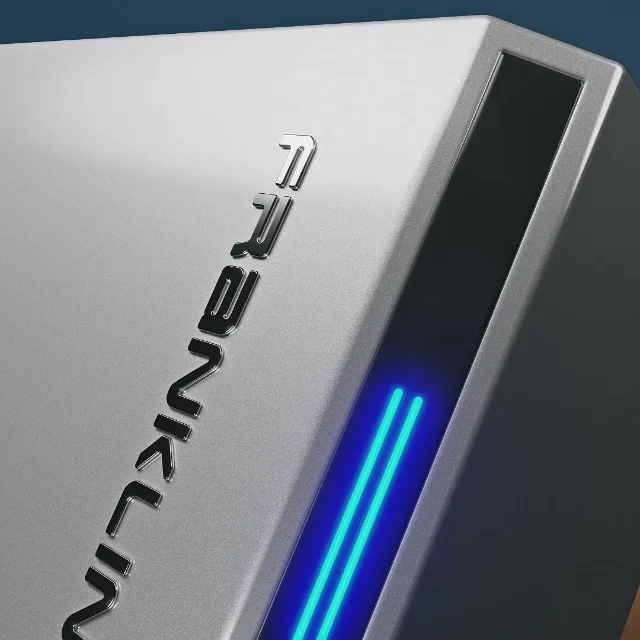
FranklinWH sells an energy manager that happens to come with a battery, and that ordering is the whole point. The aGate controller sits between the solar, the grid, the battery and a generator, meters all of it, and decides in an outage which loads keep running and which get shed as the battery drains. The aPower 2 beneath it is a large single block with a high continuous output — a strong battery in its own right, and still the second half of the product.
Because the system is AC-coupled, it does not care whose inverter runs your panels. The aGate meters the existing solar and the battery sits beside it, which turns the hardest job in home storage — adding backup to a house that already has solar — into the job this brand was built for. Competing designs that fold the solar inverter into the battery have to take over the roof to deliver the same thing.
The generator input is the feature that separates it from every other brand in this comparison. A standby or portable generator plugs into the aGate and recharges the battery during a long outage, so the house runs on clean stored power while the generator does the bulk work in the background. In parts of the country where the grid goes down for days rather than hours, that is not a nice-to-have.
The honest trade-offs follow from the design. The controller is not optional, so a household that only wants a small battery is paying for management it will not use. There is no integrated solar inverter for a new install. Capacity moves in large blocks, the hardware takes more wall than a single box, and the installer base is younger than Tesla’s — which makes the crew that fits it the biggest variable.
The FranklinWH system, piece by piece
The aGate is the product. It is the energy management center that integrates solar, grid, battery and generator, meters the home, and runs load shedding in an outage. Where it sits relative to your main service panel is the design decision that decides how much electrical work the job needs, and a quote that treats it as an accessory has quoted a different system.
The aPower 2 is the storage: a large lithium-iron-phosphate block with its own inverter and a high continuous output, mounted on a wall or the floor. One covers the evening peak and a short outage for most homes; a second is what turns the system into a multi-day plan for a house with central air. The aGate can manage a stack of them, so starting with one is a normal path.
Smart Circuits give per-circuit control of critical loads, and the generator input is the connection that lets a compatible generator recharge the battery. Both are optional and both are the reason people choose this brand over a plain battery — if either is on your list, it belongs on the quote as a designed element, not a socket on the wall.
The app shows the whole home’s energy flow rather than just the battery, because the aGate is metering everything. That is where load-shedding priorities live, and it is worth setting them with the installer at commissioning rather than discovering the defaults in the first outage.
Put FranklinWH to the test on your own numbers
Reading about it only goes so far — real quotes are where a FranklinWH decision gets made. Request quotes in Washington, subject to participating-installer availability. Free for homeowners.
What FranklinWH does best
Whole-home backup on a house that already has solar. The AC coupling keeps the working inverter, the aGate meters it, and the battery sits beside it — the cleanest retrofit path to backup in this comparison, without touching the roof.
Long outages. The generator input is the reason this brand is a fixture in hurricane, wildfire and ice-storm country: the battery carries the short outages alone and the generator refills it through the long ones, with the house never dropping to raw generator power. No other brand here designs that into the base system.
Deciding what matters when the battery runs low. Load shedding means the house stays live on the circuits you ranked highest as capacity falls, rather than going dark all at once. It is a comfort in an outage and a genuine engineering feature — provided the priorities were set deliberately.
Growing. The aGate is built to manage a stack of aPower 2 units, so a household can start with one large block and add another when the budget or the outage plan calls for it, without redesigning the system.
Who FranklinWH suits — and who it does not
It suits the home with solar already on the roof and a working inverter it does not want to replace. That is the case the AC-coupled design was built for, and it is where FranklinWH and Enphase are two options to discuss alongside other documented US retrofit configurations.
It suits the household that plans for days without grid power. If a generator is in the picture — or will be — the aGate folds it into one system, and load shedding decides what stays on as the battery drains. Larger homes with central air and heavy loads get the most from the big single block and its high continuous output.
It does not suit the buyer who wants the simplest new solar-and-battery install; a single-box product with the solar inverter built in is cleaner there. It does not suit anyone who only wants a small battery to shave the evening peak, because the controller is the cost and the point. And it does not suit tight wall space — the block and the controller both need room.
On money, judge value per usable kilowatt-hour at the capacity you would actually buy, and judge the controller separately: if you want what the aGate does, its cost is the system; if you do not, it is overhead. Price a simpler battery alongside it before signing, and never accept a quote that still shows a federal credit for a 2026 install.
FranklinWH in Washington
Wildfire-season Public Safety Power Shutoffs and summer heat-wave grid strain are the outages homeowners here plan around. This is the outage profile the aGate was built for: the battery carries the house through the first hours on the circuits you ranked highest, load shedding stretches it, and a generator on the aGate’s input refills it if the grid stays down. In Washington, ask each installer to design the shed order and the generator arrangement for the outage you actually get, and to put both on the quote.
What Washington utilities credit for exported solar is set utility by utility and rule by rule, so ask each installer to show the export credit on your own tariff: a stored kilowatt-hour is worth what you avoid buying, not what exporting earns, and that gap is the number the battery lives on. Because the aGate meters everything, the app shows exactly how much of your solar is being stored against that credit and how much is going out — which is the honest way to check whether the system is earning its keep on an ordinary day, not just in an emergency.
Put FranklinWH to the test on your own numbers
Reading about it only goes so far — real quotes are where a FranklinWH decision gets made. Request quotes in Washington, subject to participating-installer availability. Free for homeowners.
The installer decides the FranklinWH outcome
A FranklinWH install is electrical work at the service panel before it is a battery on the wall. The aGate placement — whether it replaces or sits beside your main panel — is the decision that sets the scope of the job, and it is where an inexperienced crew either over-builds or leaves the system unable to do what was promised. Ask where the aGate goes and why.
Metering is the second test. AC coupling only works if the existing solar is metered through the controller correctly; get it wrong and self-consumption never performs as modeled, however good the hardware. Load-shedding priorities are the third — configured wrong at commissioning, they leave owners surprised by what dropped in the first outage.
A generator input needs a compatible generator and a transfer arrangement the installer actually designs. A proper handover finishes the job: the app on your real rate plan, the shed order set to your priorities, the generator tested, and you shown which switch isolates what.
That is the matching problem this site exists to solve. Where participating installers are available for your address and brand, you can request quotes. There may be fewer than three or no matches. Check FranklinWH experience where they have it. We sell no hardware, the service is free for homeowners, and matching a small number is deliberate: each installer has a genuine shot at the work, which is what buys you designed systems instead of templated ones.
FranklinWH in this state
Why the installer matters more than the battery
The install decides the outcome more than the hardware does.
That is the part a brand cannot fix for you. Every installer we match you with in Washington is vetted — typically 2+ years in business, with a track record of decent reviews. Matches depend on current participating installers for your address and brand; there may be fewer than three or none.
Battery incentives in Washington
Residential Clean Energy Credit (IRC §25D) (federal) — The 30% federal tax credit for home solar and battery storage no longer applies to systems placed in service from January 1, 2026.
Washington — no state battery program has been verified on this site yet. Ask each installer what your utility offers and to show the program page.
Ready for FranklinWH quotes in Washington?
Request quotes by ZIP code, subject to participating-installer availability. Any state or utility program you qualify for is applied at quote. Free, no obligation, maximum 3 installers ever.
FranklinWH installers in Seattle
- FranklinWH battery installation Seattle — serving Seattle and surrounds
More Washington cities
- FranklinWH installers Spokane — serving Spokane and surrounds
- FranklinWH installers Tacoma — serving Tacoma and surrounds
- FranklinWH battery installers in Vancouver — serving Vancouver and surrounds
- FranklinWH battery installers in Bellevue — serving Bellevue and surrounds
- FranklinWH battery installation Kent — serving Kent and surrounds
- FranklinWH battery installers in Everett — serving Everett and surrounds
- FranklinWH installers Spokane Valley — serving Spokane Valley and surrounds
- FranklinWH battery installation Renton — serving Renton and surrounds
- FranklinWH battery installers in Federal Way — serving Federal Way and surrounds
Page updated September 5, 2026