Home battery review · US edition
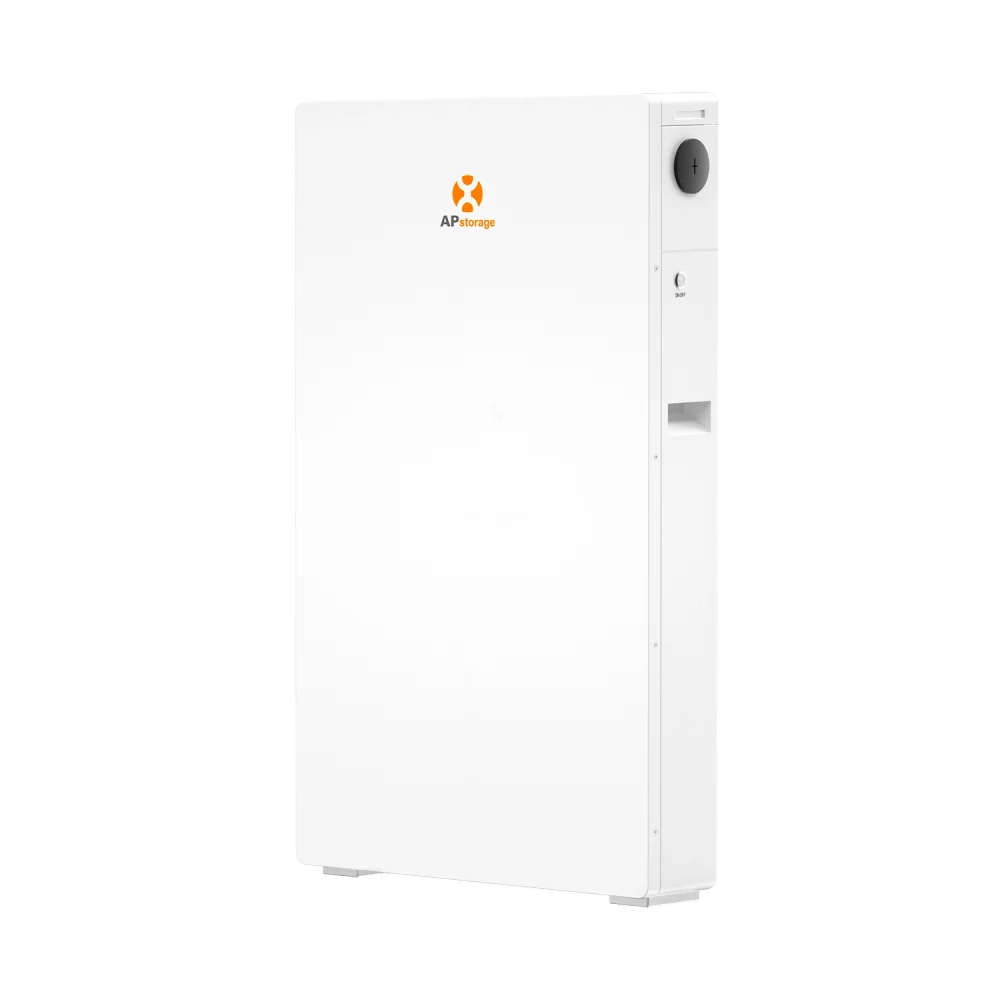
APsystems APstorage with APbattery review
Battery storage with a dedicated ELS power conversion system. Existing microinverters are only one part of the picture.
On this page
Our take
APstorage is worth comparing when an installer proposes the complete APsystems battery and power-conversion arrangement. It is a separate system from the microinverters that may already be on a roof. The main benefit to investigate is a supported AC-coupled storage design; the important checks are the ELS model, battery configuration and backup controls actually included.
APstorage with APbattery at a glance
Check the model in your quote against these published details.
| Battery chemistry | LFP [1] |
|---|---|
| Enclosure rating | IP65; installation limits apply [1] |
| Published battery warranty | 10 years; terms apply [1] |
| Power conversion | Separate ELS PCS; match the exact US model [2] |
Capacity, continuous output and peak output measure different things. Compare like-for-like values for the complete configuration.
What is included in the system?
APstorage uses a power conversion system to manage energy between the battery and household AC supply. APbattery is the storage component. The ELS model, battery quantity and control equipment should appear separately on the proposal. A roof with APsystems microinverters still needs the dedicated storage equipment and a supported connection design.
Conceptual energy flow. The equipment and connections depend on the installation.
What can it power during an outage?
The ELS inverter rating and the battery bank together determine what can be supplied. Request a backed-up circuit list and the continuous output of the final configuration. Battery capacity should be stated in kWh; output should be stated in kW. Avoid relying on a shortened product label where those units are unclear.
A high power rating does not guarantee a long runtime. Backup duration also depends on charge level, reserve settings, appliance use and available solar.
Existing solar and future expansion
Adding storage to a home with panels
AC-coupled storage can be relevant to an existing solar installation, but outage behavior must be checked. Ask whether the existing microinverters can continue generating within the proposed backup arrangement and how charging is controlled. A shared brand can simplify the discussion without replacing the need for a documented system design.
Planning for more capacity
Parallel battery capability creates options for more energy storage. The permitted battery count, communications and protection depend on the chosen equipment. Ask which parts of the first installation support the intended future bank. Increasing stored energy does not by itself increase the ELS inverter’s AC output.
The advantages and the trade-offs
Reasons to shortlist it
- A dedicated APstorage platform alongside APsystems solar products.
- LFP APbattery range with parallel configuration options.
- Manufacturer provides US ELS and battery documentation.
What to weigh up
- APsystems microinverters alone do not provide battery storage.
- ELS output and battery energy are different specifications.
- Optional heating or monitoring features must be identified in the quote.
Warranty, monitoring and support
Retain the US warranties for both the battery and ELS equipment. The APbattery page identifies some functions as optional, including certain heating and remote-monitoring capabilities. Confirm which are supplied and how they affect the installation environment and service process. Establish a single first contact for troubleshooting the complete system.
A useful handover includes your equipment schedule, the applicable warranty documents, homeowner access to monitoring and a named service contact. Ask the installer to demonstrate the operating mode you are buying.
What affects the installed cost?
Compare the ELS PCS, batteries, backup controls and installation rather than pricing a battery enclosure alone. An existing APsystems solar array may still require panel work and additional controls. Separate optional features and expansion provisions in the quote so the comparison remains clear.
| Equipment | Battery quantity, inverter, gateway or transfer equipment and mounting |
|---|---|
| Electrical work | Panel changes, cable routes, protection and backed-up circuits |
| Delivery | Permits, installation, commissioning and monitoring handover |
| Aftercare | Workmanship cover, diagnostic visits and replacement labor |
Is APstorage with APbattery right for your home?
Consider APstorage when the installer can demonstrate the complete supported pairing and its outage operation. It is a useful option to research alongside an existing microinverter array, but should not be chosen merely because the roof equipment shares a logo. The battery, converter and backup design need their own evaluation.
Compare an actual installation.
Take these questions to an installer and get a design for your home.
Your questions, answered
Do APsystems microinverters already include a battery function?
No. APstorage requires dedicated storage and power-conversion equipment.
What is the ELS PCS?
It is the power conversion system used in the storage installation; the exact model determines its operating limits.
Are all listed APbattery features standard?
The US product page marks some features as optional. Confirm the supplied version and accessories in the proposal.
Sources and review method
This is a research-based assessment of published manufacturer information, not a hands-on laboratory test or an owner-review average. Our judgments explain the buying implications of the equipment and its limitations. We do not assign star ratings, invent installation prices or infer local installer availability from a product page.
Check the current US model, configuration and warranty before ordering. Where regional compatibility or terms could not be established, we say so in the review. Shortlist Solar is an installer referral service; a quote request is optional and subject to participating-installer availability.