Home battery review · US edition
FranklinWH aPower 2 review
A battery designed around home energy management. The aGate, backup priorities and installation scope matter as much as the battery on the wall.
On this page
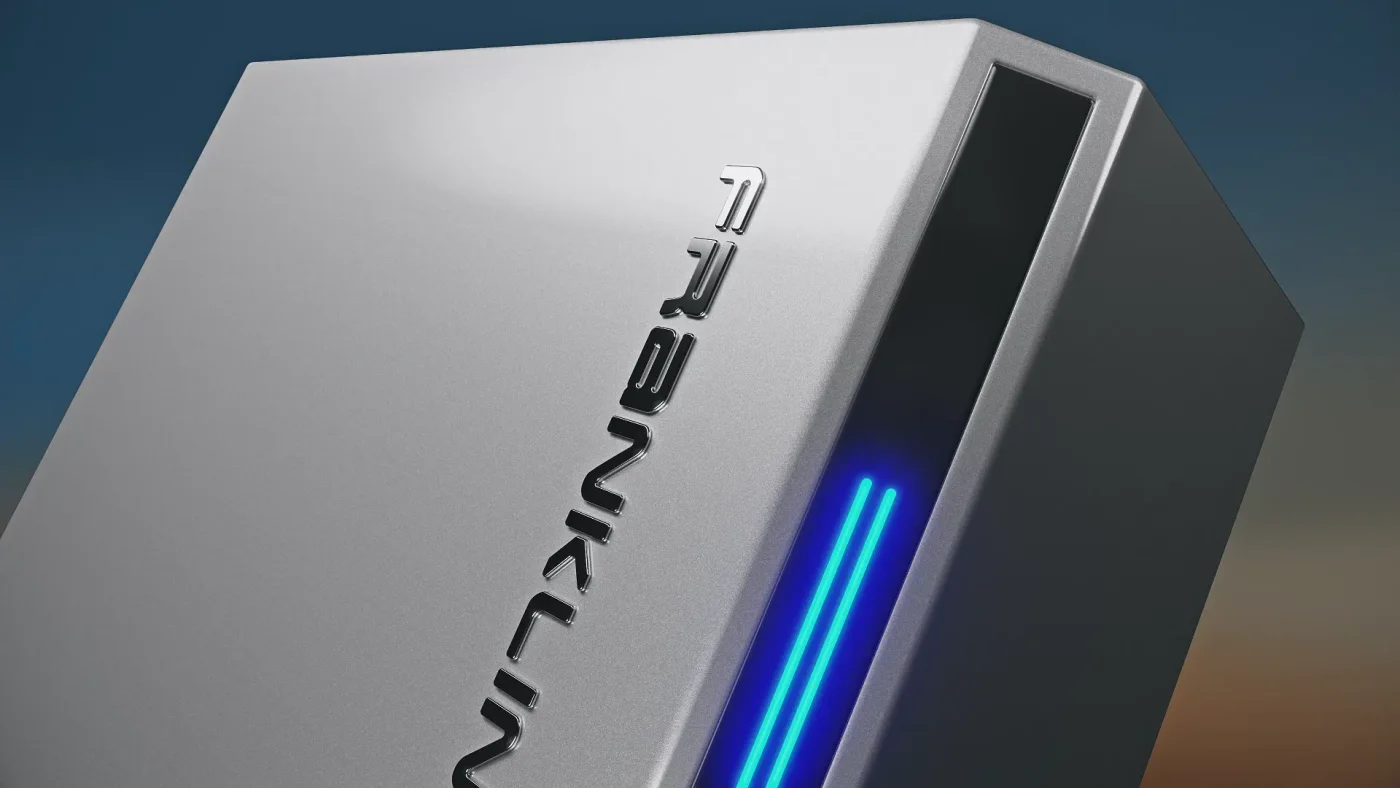
Our take
The aPower 2 is worth comparing when you want to add storage while keeping a working solar system, or when backup involves more than one energy source. Its AC-coupled architecture and aGate-centered design make the whole electrical arrangement the important unit of comparison. A larger battery block can suit substantial evening or outage demand, but it may be more storage than a modest load-shifting project needs.
aPower 2 at a glance
Check the model in your quote against these published details.
| Battery capacity | 15 kWh per aPower 2 [1] |
|---|---|
| Continuous output | 10 kW per unit; configured output may differ [1] |
| Architecture | AC-coupled [2] |
| Chemistry | Lithium iron phosphate (LFP) [1] |
| Advertised warranty | 15 years / 60 MWh throughput; terms apply [1] |
Capacity, continuous output and peak output measure different things. Compare like-for-like values for the complete configuration.
What is included in the system?
The aPower battery stores energy and the aGate manages the connection between the home and its energy sources. Think of the quote as an electrical-system proposal, not just a cabinet purchase. It should name the aGate configuration, battery quantity, metering, source connections and any load controls. A tidy equipment photo cannot show whether the installer has allowed for your service panel.
Conceptual energy flow. The equipment and connections depend on the installation.
What can it power during an outage?
Decide which appliances matter during an outage before choosing battery quantity. High-demand heating, cooling, cooking and vehicle charging can consume stored energy quickly even where the system can start the load. Ask the designer to explain the reserve strategy and whether a large appliance will be controlled, excluded or available only under particular conditions. Request an outage demonstration at commissioning.
A high power rating does not guarantee a long runtime. Backup duration also depends on charge level, reserve settings, appliance use and available solar.
Existing solar and future expansion
Adding storage to a home with panels
AC coupling makes the existing solar inverter a separate part of the design. It does not remove the need to verify its behavior during an outage or to check the electrical arrangement. Supply the installer with inverter labels and the original solar drawing. If a generator is proposed, have its connection, controls and charging behavior explicitly documented with the aGate configuration.
Planning for more capacity
FranklinWH publishes multi-battery configurations, but the useful starting point is your load profile. Extra energy capacity is valuable only if it is regularly charged and discharged or serves a deliberate backup requirement. Have the installer reserve physical space and explain the electrical implications of adding another aPower later. Do not assume that spare wall area alone establishes a supported expansion.
The advantages and the trade-offs
Reasons to shortlist it
- AC-coupled architecture supports a design alongside existing solar.
- 15 kWh battery block with published 10 kW continuous output.
- aGate provides a central point for system integration.
What to weigh up
- aPower capacity is only one part of the complete aGate installation.
- Each additional battery is a substantial increment of storage.
- Generator or other-source integration requires a specified configuration.
Warranty, monitoring and support
The advertised 15-year and throughput terms deserve a careful read together. Ask which warranty document applies to the exact aPower model and which equipment is covered separately. Identify the party responsible for diagnostics, labor and arranging replacement equipment. The handover should include homeowner monitoring access and an explanation of reserve, normal operation and the response to a grid outage.
A useful handover includes your equipment schedule, the applicable warranty documents, homeowner access to monitoring and a named service contact. Ask the installer to demonstrate the operating mode you are buying.
What affects the installed cost?
An aPower quote should itemize the battery, aGate, any additional controls, electrical changes and commissioning. A generator-related design may have a different scope from a simple solar retrofit. Compare both the equipment count and the appliances backed up; two totals are not directly comparable if one installer has included a panel upgrade and the other has excluded it.
| Equipment | Battery quantity, inverter, gateway or transfer equipment and mounting |
|---|---|
| Electrical work | Panel changes, cable routes, protection and backed-up circuits |
| Delivery | Permits, installation, commissioning and monitoring handover |
| Aftercare | Workmanship cover, diagnostic visits and replacement labor |
Is aPower 2 right for your home?
Consider aPower 2 when a complete backup design and integration with existing solar are priorities. Compare a smaller modular option if your main goal is moving a limited amount of solar energy into the evening. Choose the installation team on its ability to explain the aGate and source arrangement, rather than assuming experience with panels alone covers this work.
Compare an actual installation.
Take these questions to an installer and get a design for your home.
Your questions, answered
Is aGate included with the battery?
It is a separate named part of the FranklinWH system. Check that the correct aGate and the required electrical work appear in the installation proposal.
Can I keep my current solar inverter?
The AC-coupled architecture allows that to be assessed. The installer needs to confirm the actual inverter and complete connection and backup design.
Does the warranty guarantee my electricity savings?
No. Equipment and retained-capacity terms are different from bill savings, which depend on usage, electricity rates and how the installation is operated.
Sources and review method
This is a research-based assessment of published manufacturer information, not a hands-on laboratory test or an owner-review average. Our judgments explain the buying implications of the equipment and its limitations. We do not assign star ratings, invent installation prices or infer local installer availability from a product page.
Check the current US model, configuration and warranty before ordering. Where regional compatibility or terms could not be established, we say so in the review. Shortlist Solar is an installer referral service; a quote request is optional and subject to participating-installer availability.