Home battery review · US edition
SolarEdge Home Battery 400V review
A DC-coupled storage option for a specified SolarEdge inverter system. The inverter model is the first compatibility check.
On this page
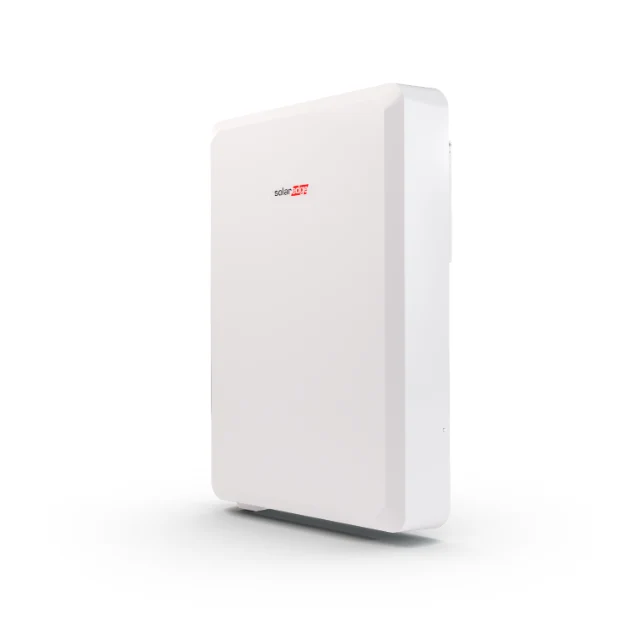
Our take
SolarEdge Home Battery is worth assessing when you are already planning a compatible SolarEdge system. Keeping solar and storage within a documented design can make the proposal easier to understand, but an existing SolarEdge logo on the wall is not enough to establish compatibility. For another inverter brand, compare the complete replacement scope with an AC-coupled battery option before choosing on battery capacity alone.
Home Battery 400V at a glance
Check the model in your quote against these published details.
| Reviewed model | BAT-10K1P, North America [1] |
|---|---|
| Usable energy | 9.7 kWh per battery [1] |
| Connection | DC-coupled [1] |
| Inverter family | Compatible SolarEdge Home Hub models [1] |
| Limited warranty | 10 years; model-specific terms apply [2] |
Capacity, continuous output and peak output measure different things. Compare like-for-like values for the complete configuration.
What is included in the system?
Home Battery 400V sits on the DC side of a compatible SolarEdge inverter. The inverter is therefore central to the storage proposal, not an incidental accessory. Ask for the complete inverter model and battery model, plus the relevant compatibility document. A quotation for a battery and a quotation for a new inverter-and-battery installation can have very different costs and disruption.
Conceptual energy flow. The equipment and connections depend on the installation.
What can it power during an outage?
Energy storage and outage backup are separate design choices. The SolarEdge Home Backup Interface and the required electrical arrangement need to be included where backup is promised. Ask whether the design covers selected circuits or a broader home load, and what limits apply while the grid is unavailable. The battery capacity does not by itself establish the output delivered to those circuits.
A high power rating does not guarantee a long runtime. Backup duration also depends on charge level, reserve settings, appliance use and available solar.
Existing solar and future expansion
Adding storage to a home with panels
Start a retrofit assessment with a photograph of the existing inverter label. SolarEdge has sold several inverter and storage generations, and compatibility needs to be checked for the specific combination. If the current inverter cannot be retained, ask why, what will replace it, and what happens to the existing monitoring and solar equipment. Compare that scope with a separate AC battery.
Planning for more capacity
The North American documentation permits multiple batteries in supported configurations. That is useful for extending stored energy, but the inverter and design still constrain power. When comparing expansion options, ask for the future battery quantity and the existing inverter’s limits on a drawing. Include physical clearances, communications and any changes needed to commission additional equipment.
The advantages and the trade-offs
Reasons to shortlist it
- DC connection within the supported SolarEdge architecture.
- Published usable energy for the North American BAT-10K1P model.
- Manufacturer provides battery, inverter and backup documentation.
What to weigh up
- Requires an explicitly compatible inverter and configuration.
- Backup needs the appropriate interface and electrical design.
- Global SolarEdge battery variants should not be mixed with US specifications.
Warranty, monitoring and support
Use the Home Battery 400V warranty that applies to your country and model. Keep the battery warranty separate from the inverter warranty and the installer’s workmanship terms. Ask who diagnoses a fault spanning those components and how replacement labor is treated. A single monitoring app can simplify viewing the system, but it does not replace clear responsibility for service.
A useful handover includes your equipment schedule, the applicable warranty documents, homeowner access to monitoring and a named service contact. Ask the installer to demonstrate the operating mode you are buying.
What affects the installed cost?
The major buying distinction is whether a compatible inverter is already in place. Itemize a replacement inverter if needed, each battery, backup interface, wiring and panel work. Compare backup and non-backup proposals separately. A battery-only hardware figure omits enough of this scope to be a poor guide to the finished installation.
| Equipment | Battery quantity, inverter, gateway or transfer equipment and mounting |
|---|---|
| Electrical work | Panel changes, cable routes, protection and backed-up circuits |
| Delivery | Permits, installation, commissioning and monitoring handover |
| Aftercare | Workmanship cover, diagnostic visits and replacement labor |
Is Home Battery 400V right for your home?
Consider Home Battery 400V for a new or confirmed-compatible SolarEdge design. Be more cautious when the proposal depends on replacing otherwise useful equipment solely to obtain storage. The best reason to choose it is a coherent system design for your roof, loads and backup priorities, with the actual model pairing documented.
Compare an actual installation.
Take these questions to an installer and get a design for your home.
Your questions, answered
Will it work with any SolarEdge inverter?
No blanket compatibility claim is appropriate. Check the exact inverter model against the North American battery and inverter documentation.
Is the Backup Interface optional?
Its role depends on the intended operation. A proposal promising outage backup must include the appropriate isolation equipment and complete backup design.
Are international Home Battery specifications interchangeable?
No. Match the region, voltage family and model number. This table refers to the North American BAT-10K1P.
Sources and review method
This is a research-based assessment of published manufacturer information, not a hands-on laboratory test or an owner-review average. Our judgments explain the buying implications of the equipment and its limitations. We do not assign star ratings, invent installation prices or infer local installer availability from a product page.
Check the current US model, configuration and warranty before ordering. Where regional compatibility or terms could not be established, we say so in the review. Shortlist Solar is an installer referral service; a quote request is optional and subject to participating-installer availability.