Battery bank review · US edition
EG4 WallMount All Weather 14.3 kWh review
A large, heated battery for a compatible inverter. The hardware is only part of the buying decision.
On this page
Our take
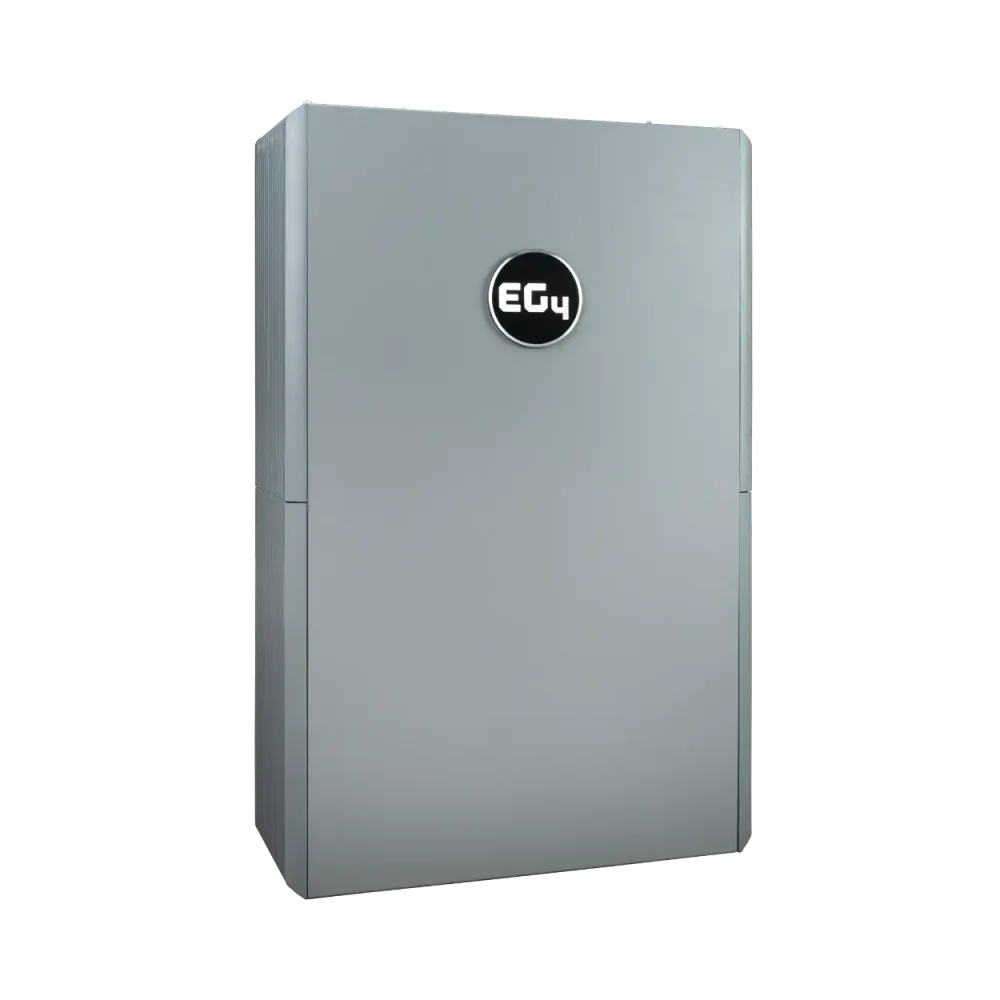
The WallMount All Weather makes sense when you want a substantial battery bank and an installer who can design the complete system around it. Its appeal is the combination of storage capacity and a weather-rated enclosure. The catch is that this is a DC battery: the inverter, wiring and approved equipment combination decide how it behaves in your home. Compare an installed EG4 system with other installed systems, rather than comparing the battery’s online price with a finished Powerwall quote.
WallMount All Weather 14.3 kWh at a glance
Check the model in your quote against these published details.
| Model reviewed | WallMount All Weather, 280 Ah version [1] |
|---|---|
| Nominal energy | 14.3 kWh [1] |
| Chemistry | Lithium iron phosphate (LFP) [1] |
| Temperature management | Self-heating; operating limits still apply [1] |
| Warranty term | 10 years; see applicable limited warranty [1] |
Capacity, continuous output and peak output measure different things. Compare like-for-like values for the complete configuration.
What is included in the system?
Think of the WallMount as the storage portion of a larger installation. The quote needs a battery-compatible inverter, protection, conductors and a complete arrangement for serving household loads. EG4 lists several of its own inverter families as compatible; that does not make every inverter, firmware revision or mixed battery bank interchangeable. Have the installer identify the exact combination in writing.
Conceptual energy flow. The equipment and connections depend on the installation.
What can it power during an outage?
The paired inverter sets the AC output ceiling, while the battery bank must supply the current required to reach it. Adding a high-output inverter to a single battery does not automatically unlock its full rating. Ask for a design that checks continuous load, appliance starting loads and battery discharge limits together. A backed-up subpanel may suit the project better than attempting to run every circuit.
A high power rating does not guarantee a long runtime. Backup duration also depends on charge level, reserve settings, appliance use and available solar.
Existing solar and future expansion
Adding storage to a home with panels
Whether existing panels and their inverter can stay depends on the inverter-side design. The WallMount name alone cannot answer that question. Obtain a diagram showing how existing solar connects, whether it can recharge the battery during an outage and which equipment will be replaced. Include the existing solar warranty implications in that discussion.
Planning for more capacity
Plan battery locations, cable routes and electrical protection before buying the first unit. Additional batteries can increase energy storage and available DC current, but the inverter can remain the limiting factor. Keep the model, age and firmware requirements for future parallel operation with the commissioning record. Do not assume the newer capacity variant is a drop-in addition to an older bank.
The advantages and the trade-offs
Reasons to shortlist it
- 14.3 kWh nominal capacity in one enclosure.
- Self-heating is included in this All Weather model.
- Can form part of a system with a separately selected, compatible inverter.
What to weigh up
- The battery has no independent AC output for household appliances.
- A wall-mounted enclosure still requires a suitable site and handling plan.
- The 14.3 kWh and newer 16 kWh products have different specifications.
Warranty, monitoring and support
The published warranty term is useful only alongside its conditions. Retain the EG4 warranty for this model and establish who handles troubleshooting across the battery and inverter. Ask the installer to demonstrate battery communications and the low-temperature settings. Self-heating consumes energy and does not remove the need to follow the installation manual’s temperature and siting requirements.
A useful handover includes your equipment schedule, the applicable warranty documents, homeowner access to monitoring and a named service contact. Ask the installer to demonstrate the operating mode you are buying.
What affects the installed cost?
An online battery price usually leaves out the inverter, disconnects, mounting, electrical labor and permitting. Compare the entire bill of materials. In an expansion project, existing compatible equipment may change that calculation substantially; in a new project, it must all be purchased and commissioned. Ask which inspection and service responsibilities are included.
| Equipment | Battery quantity, inverter, gateway or transfer equipment and mounting |
|---|---|
| Electrical work | Panel changes, cable routes, protection and backed-up circuits |
| Delivery | Permits, installation, commissioning and monitoring handover |
| Aftercare | Workmanship cover, diagnostic visits and replacement labor |
Is WallMount All Weather 14.3 kWh right for your home?
Shortlist it for a deliberately designed battery bank, particularly when the installer already supports the proposed EG4 combination. A homeowner seeking a single integrated appliance should compare the additional equipment and service arrangements carefully. The right proposal explains the complete installation without expecting you to become its systems integrator.
Compare an actual installation.
Take these questions to an installer and get a design for your home.
Your questions, answered
Is the 14.3 kWh WallMount an all-in-one home battery?
It is a DC battery, so it needs a compatible inverter and the rest of the installation equipment to power household AC loads.
Does self-heating mean it can go anywhere outside?
No. Installation clearances, environmental limits, mounting and local requirements still apply.
Should I compare it with the 16 kWh model?
Yes, if both are being offered. Check their separate datasheets and compatibility instructions rather than treating the names as equivalent.
Sources and review method
This is a research-based assessment of published manufacturer information, not a hands-on laboratory test or an owner-review average. Our judgments explain the buying implications of the equipment and its limitations. We do not assign star ratings, invent installation prices or infer local installer availability from a product page.
Check the current US model, configuration and warranty before ordering. Where regional compatibility or terms could not be established, we say so in the review. Shortlist Solar is an installer referral service; a quote request is optional and subject to participating-installer availability.