Home battery review · US edition
Lunar Energy Lunar System review
A coordinated battery and control platform. Evaluate the everyday operating strategy alongside outage backup.
On this page
Our take
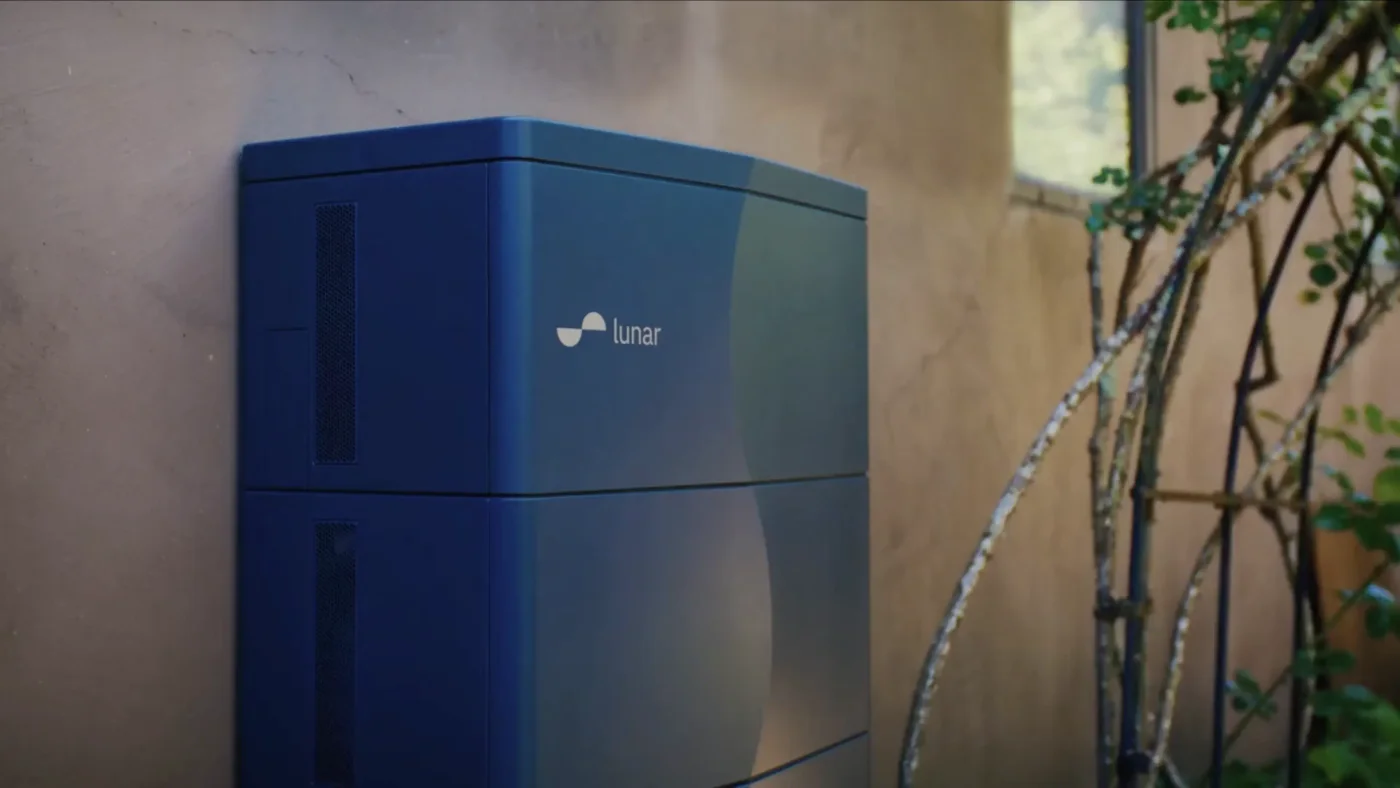
The Lunar System is worth considering when you want storage and its operating software designed together. The current published tower range starts at 15 kWh and extends to 30 kWh. Its value still depends on your load profile, rate plan and backup priorities. Automated energy management can be useful, but a savings or earnings promise needs evidence for your particular utility and program.
Lunar System at a glance
Check the model in your quote against these published details.
| Current published storage range | 15–30 kWh per tower configuration [1] |
|---|---|
| System approach | Battery hardware with coordinated energy controls [1] |
| Backup connection | Requires the appropriate Lunar system equipment and site design [1] |
| Economic performance | Depends on the home, tariff and any applicable program [2] |
Capacity, continuous output and peak output measure different things. Compare like-for-like values for the complete configuration.
What is included in the system?
Lunar presents the battery and its control software as one system. The proposal should identify the tower size, power equipment and the bridge or service connection arrangement. Those components decide how the product connects to the home. Ask the installer to explain the daily operating strategy in plain language: when it charges, when it discharges and how it reserves energy for an outage.
Conceptual energy flow. The equipment and connections depend on the installation.
What can it power during an outage?
An outage plan needs both output and energy. Ask for the continuous rating of the supplied configuration, the circuits supported and the intended reserve level. An energy-management strategy that uses more of the battery each evening can leave less stored energy for an unexpected outage. Confirm how the system balances those priorities and how you change them.
A high power rating does not guarantee a long runtime. Backup duration also depends on charge level, reserve settings, appliance use and available solar.
Existing solar and future expansion
Adding storage to a home with panels
For an existing solar home, the inverter and electrical layout still need assessment. Ask whether existing generation remains available during an outage and how charging is controlled. For a new installation, review the complete equipment layout and monitoring experience. Software integration does not remove the need for a supported electrical design.
Planning for more capacity
Discuss the currently supported tower sizes and later expansion rules. Earlier articles may refer to a different starting configuration, so use the current proposal and manufacturer documents. More stored energy can extend duration, but the output rating must be checked separately. Reserve space and confirm the work required for any future addition.
The advantages and the trade-offs
Reasons to shortlist it
- A coordinated battery, power and control platform.
- A published modular tower range of 15–30 kWh.
- System-level software is part of the product proposition.
What to weigh up
- A software feature does not establish savings on every utility rate plan.
- Older Lunar capacity descriptions may differ from the current offering.
- Backup reserve and everyday energy use compete for the same stored energy.
Warranty, monitoring and support
Ask for the current hardware warranty and an explanation of software access, connectivity and service responsibilities. If a utility program is part of the pitch, establish who controls participation and how you can change it. Keep monitoring access in your own name and request a demonstration of reserve settings and outage behavior.
A useful handover includes your equipment schedule, the applicable warranty documents, homeowner access to monitoring and a named service contact. Ask the installer to demonstrate the operating mode you are buying.
What affects the installed cost?
Compare the complete installed Lunar configuration, including service-connection equipment and electrical work. Assess program payments or energy savings separately from the installation price. They depend on eligibility and actual operating conditions and should not be treated as a universal discount. Request the assumptions behind any financial illustration.
| Equipment | Battery quantity, inverter, gateway or transfer equipment and mounting |
|---|---|
| Electrical work | Panel changes, cable routes, protection and backed-up circuits |
| Delivery | Permits, installation, commissioning and monitoring handover |
| Aftercare | Workmanship cover, diagnostic visits and replacement labor |
Is Lunar System right for your home?
Shortlist Lunar if the coordinated controls and available storage size match your priorities, with an installer who can explain and support the system. It is particularly worth comparing the user controls and service arrangements alongside hardware. Choose an operating strategy you understand rather than relying on a broad automation claim.
Compare an actual installation.
Take these questions to an installer and get a design for your home.
Your questions, answered
Does every Lunar installation save the same amount?
No. Results depend on consumption, solar generation, utility rates, settings and any applicable program.
Which capacity range does this review cover?
The current manufacturer page describes 15–30 kWh tower configurations. Confirm the exact size offered.
Can I prioritize backup over bill management?
Ask the installer to demonstrate the available reserve and operating controls for your configuration.
Sources and review method
This is a research-based assessment of published manufacturer information, not a hands-on laboratory test or an owner-review average. Our judgments explain the buying implications of the equipment and its limitations. We do not assign star ratings, invent installation prices or infer local installer availability from a product page.
Check the current US model, configuration and warranty before ordering. Where regional compatibility or terms could not be established, we say so in the review. Shortlist Solar is an installer referral service; a quote request is optional and subject to participating-installer availability.