Battery bank review · US edition
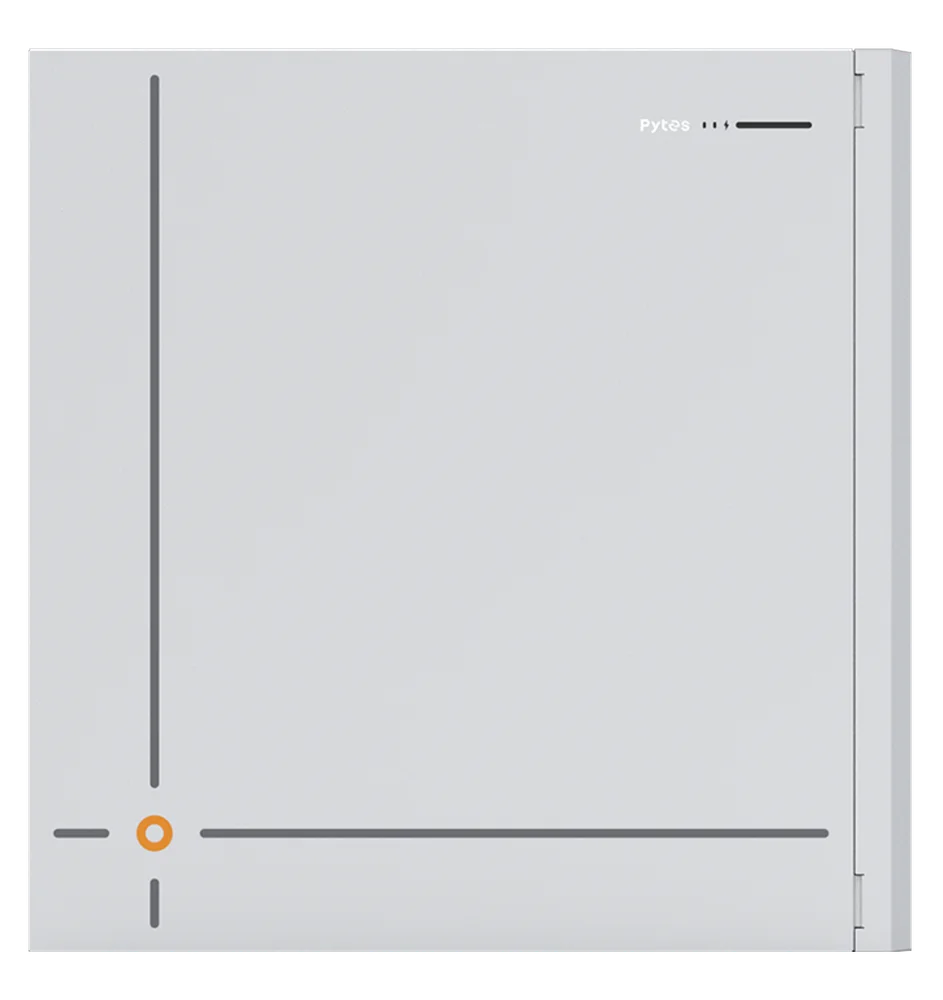
Pytes V16 review
A 16 kWh class outdoor battery. Choose the inverter and installation with the same care as the enclosure.
On this page
Our take
The V16 is worth comparing for a low-voltage battery-bank project that needs substantial energy in each enclosure. Pytes publishes outdoor-oriented features and a parallel expansion path. Those are reasons to investigate the hardware, not proof of the finished system’s performance. The inverter pairing, approval requirements and service arrangement remain essential parts of the purchase.
V16 at a glance
Check the model in your quote against these published details.
| Published energy | 16 kWh class [1] |
|---|---|
| Enclosure | IP66; installation requirements apply [1] |
| Temperature feature | Integrated self-heating [1] |
| Published parallel scale | Up to 16 units; configuration and inverter limits apply [1] |
Capacity, continuous output and peak output measure different things. Compare like-for-like values for the complete configuration.
What is included in the system?
V16 provides battery storage within a larger system. The inverter, communications and electrical protection need to be specified alongside it. Pytes sells several battery families, so the proposal should name V16 explicitly and identify the supported inverter. Do not carry figures from V5, V10 or commercial high-voltage equipment into this installation.
Conceptual energy flow. The equipment and connections depend on the installation.
What can it power during an outage?
Household power comes through the paired inverter. The battery bank must support its demand, and the circuit plan determines what stays running. Ask for continuous AC output and usable energy for the actual configuration. A large nominal energy figure may help duration, but it cannot establish appliance starting capability or whole-home coverage.
A high power rating does not guarantee a long runtime. Backup duration also depends on charge level, reserve settings, appliance use and available solar.
Existing solar and future expansion
Adding storage to a home with panels
The inverter-side design determines how existing solar connects. Ask whether the existing solar inverter is retained, what changes are required and how solar behaves during an outage. A battery compatibility list should identify the precise pairing; it is not enough that two manufacturers have worked together on a different project.
Planning for more capacity
Pytes describes a substantial parallel scale for V16, but a home should be sized around its actual requirements. Confirm the supported communications and electrical layout for the planned bank. Later additions need to follow the current model and commissioning rules. Extra batteries cannot overcome an unchanged inverter’s AC output ceiling.
The advantages and the trade-offs
Reasons to shortlist it
- Published 16 kWh class storage per unit.
- IP66 enclosure and integrated self-heating are listed.
- Wall or ground mounting options and parallel expansion are described.
What to weigh up
- Needs a separately specified compatible inverter.
- V16 specifications do not describe the smaller V5 or other Pytes families.
- A listed safety feature is not a substitute for an approved complete installation.
Warranty, monitoring and support
Obtain the warranty for V16 rather than reusing a document for another Pytes family. Ask about registration, operating conditions, replacement labor and the first service contact. Keep model and firmware information with the commissioning record. Self-heating should be understood as part of the operating system, including its energy use and limits.
A useful handover includes your equipment schedule, the applicable warranty documents, homeowner access to monitoring and a named service contact. Ask the installer to demonstrate the operating mode you are buying.
What affects the installed cost?
Compare the complete battery bank, compatible inverter, mounting, protection and installation labor. Outdoor suitability does not mean every outdoor location is appropriate or equally simple to install. Include cable routes and service access when comparing locations. A battery-only price leaves those decisions unresolved.
| Equipment | Battery quantity, inverter, gateway or transfer equipment and mounting |
|---|---|
| Electrical work | Panel changes, cable routes, protection and backed-up circuits |
| Delivery | Permits, installation, commissioning and monitoring handover |
| Aftercare | Workmanship cover, diagnostic visits and replacement labor |
Is V16 right for your home?
Shortlist V16 when a supported inverter pairing and suitable installation location make the larger enclosure useful. If you need small incremental additions, compare the other Pytes families separately. The most convincing proposal explains the complete system without relying on a maximum expansion number as the selling point.
Compare an actual installation.
Take these questions to an installer and get a design for your home.
Your questions, answered
Does this review cover V5 batteries?
No. V16 is a different Pytes product, with its own specifications and installation requirements.
Can V16 power appliances without an inverter?
It needs compatible conversion equipment to supply household AC loads.
Does IP66 mean any outdoor location is acceptable?
No. Siting, clearances, environmental conditions and local installation requirements still apply.
Sources and review method
This is a research-based assessment of published manufacturer information, not a hands-on laboratory test or an owner-review average. Our judgments explain the buying implications of the equipment and its limitations. We do not assign star ratings, invent installation prices or infer local installer availability from a product page.
Check the current US model, configuration and warranty before ordering. Where regional compatibility or terms could not be established, we say so in the review. Shortlist Solar is an installer referral service; a quote request is optional and subject to participating-installer availability.