Home battery assessment
Enphase battery savings & installer quotes
- IQ Battery 5P combines storage with built-in microinverters
- Size your system with multiple battery units as needed
- Check state and utility rebates; eligibility varies
- Shortlist Solar-vetted installers, subject to availability
What could a battery save you?
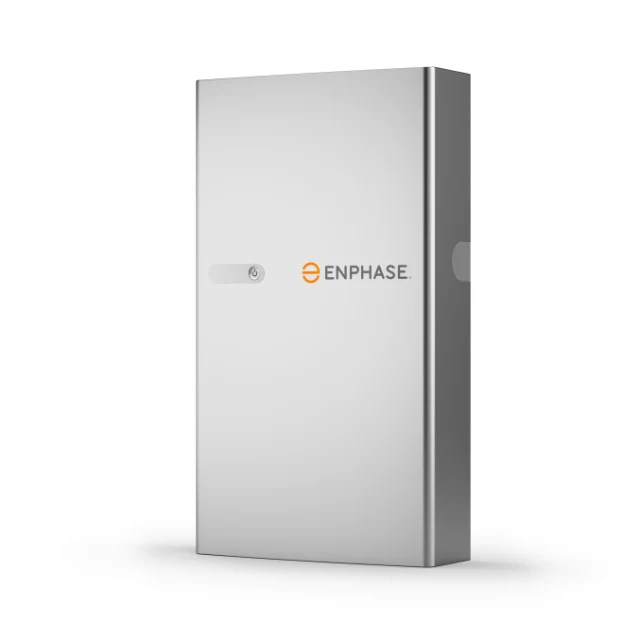
IQ Battery 5P
Enter your ZIP code to get started.
No contact details needed to see your estimate. Request quotes only when you’re ready.
Estimates use a general battery model, not a specific product. Actual savings depend on your electricity plan, usage and installation. Quotes depend on installer availability.
What goes into your Enphase battery?
The IQ Battery 5P is an AC-coupled battery with integrated microinverters. Several units can form a system sized for the home. For backup, Enphase specifies the IQ System Controller 3/3G with this product; confirm the exact equipment generation and configuration in the proposal.
Existing solar and compatibility
An Enphase proposal should identify the existing solar equipment, the IQ Battery generation and the controller that connects them. AC coupling describes the architecture, not approval for every combination of solar inverter, controller and firmware. Ask the installer to verify the proposed design against the current North American documentation.
From your Enphase assessment to a quote request
Start with your ZIP code, whether you have solar and your power bill. The assessment uses those answers to model battery savings, with assumptions shown alongside the result; it is not a performance calculation for a particular Enphase model.
If you want to continue, your Enphase preference and assessment answers carry into the quote form on this page.
A request is subject to participating-installer availability for your address and Enphase. Ask any matched company who will do the work, and verify the crew’s current licensing, insurance and relevant manufacturer training.
Before you accept a Enphase proposal
- Battery generation: check that every datasheet, controller and installation drawing refers to the IQ Battery model you are actually being offered.
- Wall layout: ask for a scaled plan of the battery units, controller and clearances, including the space reserved for any future units.
- Backup scope: have the installer distinguish a battery that shifts solar use from a configured backup system with the required controller and selected circuits.
- Existing Enphase equipment: provide your microinverter and gateway models so the installer can check generation compatibility and explain any replacement hardware.
A closer look at your Enphase installation plan
A unit count is only the beginning of an Enphase design. Ask the installer to show the total usable storage and the continuous and starting loads that the proposed combination can support. Compare those figures with the appliances you want to use simultaneously. The question is whether the complete design serves those loads, rather than whether one battery has an attractive specification.
For an Enphase retrofit, list your current microinverters, gateway and any existing storage before requesting a final proposal. Ask which of these components will remain and which need changes. Have the installer explain how the new battery generation communicates with the system and where any required control hardware will be installed. Do not assume that a shared manufacturer name makes equipment generations interchangeable.
If you plan to grow an IQ Battery installation, ask the designer to show the later units on the site drawing now. Identify conduit routes, mounting surfaces, access and clearance needs before using that area for another purpose. Request the supported expansion conditions in writing, including any changes to controllers, electrical protection or approvals that a later stage might require.
At handover, ask the Enphase installer to demonstrate the chosen reserve and operating settings in the homeowner app. Confirm that you can identify the batteries and see their operation, and ask how outages or communication faults will be reported. Keep the commissioning record, equipment serial numbers and warranty documents together with a named service contact and an explanation of any labor or callout exclusions.
Prepare your Enphase quote checklist
Bring the Enphase installer a recent electricity bill, your tariff name and any interval-usage data your utility makes available. Describe when the home uses power, when an EV is parked at home and whether heating, cooling or a pump dominates demand; the estimate’s bill band is a starting point rather than a replacement for those details.
Ask for the Enphase proposal to separate equipment, electrical changes, permits, commissioning and any optional work. Confirm the usable capacity, continuous output and backup arrangement for the complete configuration being quoted, and identify exclusions before agreeing to an installation scope.
Have each Enphase installer use the same list of appliances and the same backup priorities when preparing a design. If two proposals differ in battery quantity, controller equipment or circuits, ask for the reason in writing; a lower total may reflect a different job rather than a saving on an equivalent system.
Check the assumptions behind a Enphase savings projection: electricity rates, export credits, daily usage, charging sources, reserve settings and future price increases. Request a comparison using your current tariff as well as any proposed tariff change, and keep bill savings separate from equipment cost, financing and the value you place on backup.
Before accepting a Enphase contract, identify the company responsible for permits, utility permission, inspections and commissioning. Confirm the payment milestones and what happens if site inspection changes the equipment or electrical scope; do not treat an indicative assessment or an initial quote as a completed site design.
Keep the final Enphase equipment schedule, warranty conditions and workmanship terms with the signed proposal. Ask who handles an installation fault, whether diagnosis and labor are covered and how to contact service if the original salesperson is unavailable; a manufacturer's equipment warranty does not by itself explain every installation responsibility.
Enphase assessment questions
Will the assessment predict my exact Enphase savings?
This assessment does not select an IQ Battery generation or calculate the output of a particular combination of units. Its figures come from your household answers and regional assumptions. Your microinverter and controller models still need a compatibility check. Use the result to begin a conversation about an Enphase design, rather than as a forecast for equipment already specified.
Can I explore Enphase if I already have solar?
An Enphase proposal should identify the existing solar equipment, the IQ Battery generation and the controller that connects them. AC coupling describes the architecture, not approval for every combination of solar inverter, controller and firmware. Ask the installer to verify the proposed design against the current North American documentation.
What happens when I request Enphase quotes?
Your Enphase preference travels with the ZIP, solar answer and bill band into the contact form. You can inspect the form and consent before sending it. Matching checks participating installers for your location and brand preference; the limit is three companies, and there may be fewer or none. The directory is a way to browse information, not a live inventory of Enphase installation slots.
Does an Enphase assessment commit me to buying?
An Enphase estimate is free to explore and does not require a purchase. The optional request is also free for homeowners. Shortlist Solar is not an IQ Battery retailer. Any equipment selection, installed price and agreement come from the installer, and you choose whether to proceed with that proposal.
Ready to price a Enphase installation?
Estimate your potential savings, then request quotes for a Enphase installation when you’re ready.
Start or resume my assessmentSources and review
Assessment and buying questions updated September 10, 2026. Confirm the current US documentation for the equipment in your proposal; specifications and approved configurations can change.