Home battery assessment
FranklinWH battery savings & installer quotes
- AC-coupled aPower 2 storage can sit alongside existing solar
- aGate coordinates the battery with your home energy system
- Check state and utility rebates; eligibility varies
- Shortlist Solar-vetted installers, subject to availability
What could a battery save you?
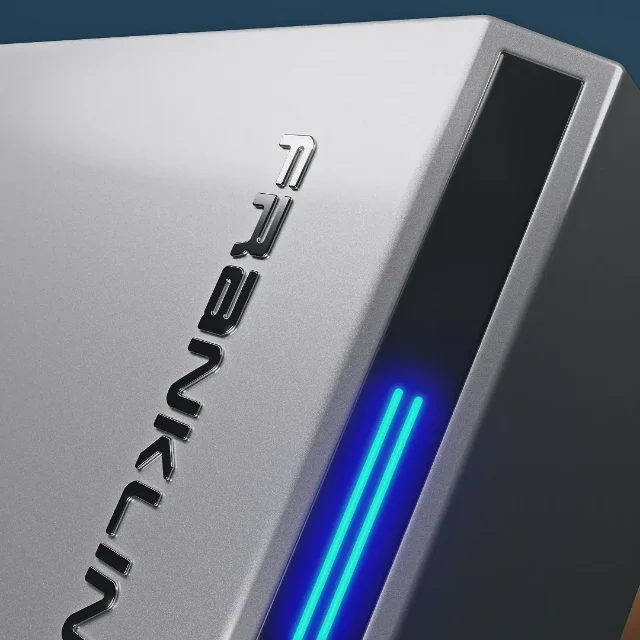
aPower 2
Enter your ZIP code to get started.
No contact details needed to see your estimate. Request quotes only when you’re ready.
Estimates use a general battery model, not a specific product. Actual savings depend on your electricity plan, usage and installation. Quotes depend on installer availability.
What goes into your FranklinWH battery?
A FranklinWH proposal should name the battery and the equipment managing the home. For an aPower 2 system using aGate, discuss how solar, battery, grid and any proposed generator are coordinated. The controller and the household electrical layout matter alongside the battery capacity.
Existing solar and compatibility
For an aPower 2 retrofit, ask how the proposed aGate arrangement connects to your existing solar and service panel. Provide the inverter model and any generator details, and request written confirmation of the supported configuration. Do not treat whole-home energy management as a promise that every appliance will run for the length of an outage.
From your FranklinWH assessment to a quote request
Start with your ZIP code, whether you have solar and your power bill. The assessment uses those answers to model battery savings, with assumptions shown alongside the result; it is not a performance calculation for a particular FranklinWH model.
If you want to continue, your FranklinWH preference and assessment answers carry into the quote form on this page.
A request is subject to participating-installer availability for your address and FranklinWH. Ask any matched company who will do the work, and verify the crew’s current licensing, insurance and relevant manufacturer training.
Before you accept a FranklinWH proposal
- System scope: require the exact aPower and controller models, with a diagram showing the equipment included in the installed proposal.
- Existing solar: have the installer explain the solar connection, metering and behavior of your inverter when grid power is unavailable.
- Generator plans: if a generator is part of the design, ask for its approved connection and control sequence rather than assuming any generator can be connected.
- Load management: request the backed-up circuit list and the conditions under which large loads are switched or restricted.
A closer look at your FranklinWH installation plan
For an aPower 2 and aGate proposal, begin with the jobs you want the controller to perform. Describe the solar already installed, the circuits you need in an outage and any generator you own or plan to add. Ask the designer to connect each requirement to an item in the equipment schedule so that an energy-management feature is not confused with hardware included in the quotation.
If a generator is involved in the FranklinWH design, provide its make, model, fuel type and existing transfer equipment. Ask for the supported electrical connection, control method and operating sequence. Have the installer explain when the generator starts, which loads it serves and how the battery participates. A generator mentioned in sales copy is not a site-specific integration plan.
Ask the FranklinWH designer to walk through an outage scenario using your actual priorities: refrigeration, communication, lighting and any larger appliances you identify. Request the backed-up circuit schedule and any load-management settings in writing. Confirm which loads may be interrupted or restricted and the assumptions behind any proposed runtime, including starting charge, weather and solar production.
At commissioning, have the installer demonstrate the FranklinWH monitoring account and the settings relevant to your agreed design. Ask how reserve choices affect routine operation, what you should do after a system alert and who can change control settings. File the aPower and controller serial numbers, electrical diagram, warranty documents and service responsibilities together so that a later repair starts with the right information.
Prepare your FranklinWH quote checklist
Bring the FranklinWH installer a recent electricity bill, your tariff name and any interval-usage data your utility makes available. Describe when the home uses power, when an EV is parked at home and whether heating, cooling or a pump dominates demand; the estimate’s bill band is a starting point rather than a replacement for those details.
Ask for the FranklinWH proposal to separate equipment, electrical changes, permits, commissioning and any optional work. Confirm the usable capacity, continuous output and backup arrangement for the complete configuration being quoted, and identify exclusions before agreeing to an installation scope.
Have each FranklinWH installer use the same list of appliances and the same backup priorities when preparing a design. If two proposals differ in battery quantity, controller equipment or circuits, ask for the reason in writing; a lower total may reflect a different job rather than a saving on an equivalent system.
Check the assumptions behind a FranklinWH savings projection: electricity rates, export credits, daily usage, charging sources, reserve settings and future price increases. Request a comparison using your current tariff as well as any proposed tariff change, and keep bill savings separate from equipment cost, financing and the value you place on backup.
Before accepting a FranklinWH contract, identify the company responsible for permits, utility permission, inspections and commissioning. Confirm the payment milestones and what happens if site inspection changes the equipment or electrical scope; do not treat an indicative assessment or an initial quote as a completed site design.
Keep the final FranklinWH equipment schedule, warranty conditions and workmanship terms with the signed proposal. Ask who handles an installation fault, whether diagnosis and labor are covered and how to contact service if the original salesperson is unavailable; a manufacturer's equipment warranty does not by itself explain every installation responsibility.
FranklinWH assessment questions
Will the assessment predict my exact FranklinWH savings?
The assessment is not a simulation of an aGate-controlled home. It does not model a generator’s runtime or validate aPower sizing against individual appliances. Instead it uses household solar and bill answers to estimate battery savings under stated assumptions. Have the FranklinWH designer check those assumptions against your usage and electrical configuration.
Can I explore FranklinWH if I already have solar?
For an aPower 2 retrofit, ask how the proposed aGate arrangement connects to your existing solar and service panel. Provide the inverter model and any generator details, and request written confirmation of the supported configuration. Do not treat whole-home energy management as a promise that every appliance will run for the length of an outage.
What happens when I request FranklinWH quotes?
Your FranklinWH choice and assessment details remain attached when you open the contact step. After you review the consent and submit, matching depends on current FranklinWH participation for your address. No more than three installers can match, and fewer or none may be found. Published city information is not a statement that an aPower installation is currently available.
Does a FranklinWH assessment commit me to buying?
A FranklinWH assessment is an opportunity to explore before committing. Homeowners can view the result and leave without sharing contact details. The optional quote request has no homeowner fee, and Shortlist Solar does not retail aPower systems. An installation proceeds only if you choose to enter an agreement with the installer.
Ready to price a FranklinWH installation?
Estimate your potential savings, then request quotes for a FranklinWH installation when you’re ready.
Start or resume my assessmentSources and review
Assessment and buying questions updated September 10, 2026. Confirm the current US documentation for the equipment in your proposal; specifications and approved configurations can change.