Home battery assessment
SolarEdge battery savings & installer quotes
- Home Battery connects to a compatible SolarEdge inverter
- Plan solar, storage and backup within the SolarEdge system
- Check state and utility rebates; eligibility varies
- Shortlist Solar-vetted installers, subject to availability
What could a battery save you?
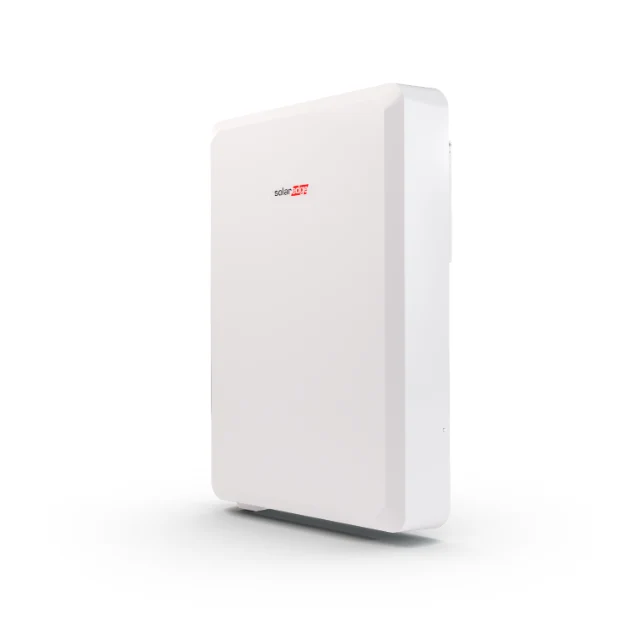
Home Battery 400V
Enter your ZIP code to get started.
No contact details needed to see your estimate. Request quotes only when you’re ready.
Estimates use a general battery model, not a specific product. Actual savings depend on your electricity plan, usage and installation. Quotes depend on installer availability.
What goes into your SolarEdge battery?
A SolarEdge Home Battery proposal needs to be checked as an inverter-and-battery system. SolarEdge describes its Home Backup Interface working with the Home Hub inverter and Home Battery to provide full or partial home backup. The inverter model and backup hardware are central to the decision.
Existing solar and compatibility
Read the model label on your existing SolarEdge inverter before requesting a design. Have the installer check the exact inverter and battery combination against the North American compatibility documentation, including any upgrade requirements. An existing SolarEdge logo alone does not establish that a battery can be added without other changes.
From your SolarEdge assessment to a quote request
Start with your ZIP code, whether you have solar and your power bill. The assessment uses those answers to model battery savings, with assumptions shown alongside the result; it is not a performance calculation for a particular SolarEdge model.
If you want to continue, your SolarEdge preference and assessment answers carry into the quote form on this page.
A request is subject to participating-installer availability for your address and SolarEdge. Ask any matched company who will do the work, and verify the crew’s current licensing, insurance and relevant manufacturer training.
Before you accept a SolarEdge proposal
- Inverter eligibility: ask for the complete inverter model number and the compatibility document used to approve the proposed battery connection.
- Backup Interface: confirm whether it is included and have the proposal name the circuits that will remain powered during a grid outage.
- Solar integration: request an itemized explanation of any inverter, optimizer, metering or electrical-panel work associated with the battery design.
- Operating limits: ask the designer to verify battery count, power output and expansion requirements for your exact inverter configuration.
A closer look at your SolarEdge installation plan
Start a SolarEdge assessment by recording the equipment on the wall, including the inverter model and any labels on an existing battery or backup interface. Share the original solar installation paperwork if available. Ask the designer to distinguish what can be reused from what must be replaced, and to explain why each change is required for the proposed storage and backup arrangement.
Compare SolarEdge proposals with the same backup scope. One may include the Home Backup Interface and electrical work for selected circuits while another covers storage for normal grid-connected operation only. Ask each installer to mark the backed-up loads and the equipment responsible for isolating the home from the grid. Those differences should be explicit before you compare the total installed proposals.
For future changes, ask how the proposed SolarEdge inverter configuration would accommodate more battery storage or additional solar. Have the designer state the relevant equipment limits, the available physical space and any electrical work needed at that later stage. A plan for future capacity should identify an approved route, rather than relying on the assumption that another battery can always be connected.
The SolarEdge handover should explain the settings that determine normal operation and the settings that apply during an outage. Ask to see the monitoring account, reserve controls and fault notifications. Keep the installation diagram and equipment schedule with your service contact details, and clarify which company is responsible for installation workmanship, diagnosis, replacement parts and any labor charges under the applicable warranty.
Prepare your SolarEdge quote checklist
Bring the SolarEdge installer a recent electricity bill, your tariff name and any interval-usage data your utility makes available. Describe when the home uses power, when an EV is parked at home and whether heating, cooling or a pump dominates demand; the estimate’s bill band is a starting point rather than a replacement for those details.
Ask for the SolarEdge proposal to separate equipment, electrical changes, permits, commissioning and any optional work. Confirm the usable capacity, continuous output and backup arrangement for the complete configuration being quoted, and identify exclusions before agreeing to an installation scope.
Have each SolarEdge installer use the same list of appliances and the same backup priorities when preparing a design. If two proposals differ in battery quantity, controller equipment or circuits, ask for the reason in writing; a lower total may reflect a different job rather than a saving on an equivalent system.
Check the assumptions behind a SolarEdge savings projection: electricity rates, export credits, daily usage, charging sources, reserve settings and future price increases. Request a comparison using your current tariff as well as any proposed tariff change, and keep bill savings separate from equipment cost, financing and the value you place on backup.
Before accepting a SolarEdge contract, identify the company responsible for permits, utility permission, inspections and commissioning. Confirm the payment milestones and what happens if site inspection changes the equipment or electrical scope; do not treat an indicative assessment or an initial quote as a completed site design.
Keep the final SolarEdge equipment schedule, warranty conditions and workmanship terms with the signed proposal. Ask who handles an installation fault, whether diagnosis and labor are covered and how to contact service if the original salesperson is unavailable; a manufacturer's equipment warranty does not by itself explain every installation responsibility.
SolarEdge assessment questions
Will the assessment predict my exact SolarEdge savings?
The calculator cannot identify the inverter on your wall or approve its connection to a Home Battery. It produces a modeled household estimate from the ZIP and answers you provide. A SolarEdge designer must still verify the inverter configuration, backup equipment and actual electricity tariff. The result is not an equipment-specific savings guarantee.
Can I explore SolarEdge if I already have solar?
Read the model label on your existing SolarEdge inverter before requesting a design. Have the installer check the exact inverter and battery combination against the North American compatibility documentation, including any upgrade requirements. An existing SolarEdge logo alone does not establish that a battery can be added without other changes.
What happens when I request SolarEdge quotes?
The SolarEdge contact form opens with the assessment context retained, including your brand and ZIP. Sending it requires your contact information and consent. Installer matching is subject to current participation for that address and brand, with no more than three matches and potentially none. A SolarEdge location link should not be interpreted as a booking or confirmation of supply.
Does a SolarEdge assessment commit me to buying?
Using this SolarEdge assessment leaves you free to stop at the result. There is no homeowner fee for the estimate or an optional quote request. We do not supply Home Batteries or sell an installation package. If an installer responds, review that company’s design and contract before deciding to buy.
Ready to price a SolarEdge installation?
Estimate your potential savings, then request quotes for a SolarEdge installation when you’re ready.
Start or resume my assessmentSources and review
Assessment and buying questions updated September 10, 2026. Confirm the current US documentation for the equipment in your proposal; specifications and approved configurations can change.